








OUR BLOG
Scrap Label

Warehouse Scrap Management Steps to Improve Inventory Accuracy

A scrap label is more than an identifier. It is an operational instruction that tells the warehouse team a material has reached the end of its usable lifecycle. In fast-moving warehouse and manufacturing environments, speed is expected, but control is what protects inventory accuracy and overall operational performance.

At first glance, scrap looks like the end of the story.

In reality, it is the beginning of a much bigger conversation.

Because scrap is not just about damaged goods or unusable material. It is a signal. And when warehouse teams learn to pay attention to that signal, they can uncover where time, money, and efficiency are leaking out of the operation, which is a critical part of effective warehouse scrap management.

What Scrap Is Really Costing Your Operation

Most teams treat scrap as a necessary inconvenience, something that happens now and then, gets handled quickly, and is then forgotten so the operation can keep moving.

But that mindset creates blind spots.

When scrap is poorly labeled, inconsistently tracked, or not handled through a clear scrap handling process, it usually leads to three problems:

  • Inventory accuracy suffers, because scrap that is never recorded still appears to exist in the system.
  • Root causes that go unnoticed, because repeated damage patterns are never reviewed.
  • Accountability gaps, because no one can clearly trace where or when the issue began.

These are not small process misses. Over time, they turn into stock discrepancies, repeat damage, wasted labor, and avoidable write-offs.

Best Practices That Make Scrap Easier to Manage

In high-performing warehouses, scrap is not treated as an afterthought. It is treated as information.

That shift in mindset strengthens both execution and long-term warehouse scrap management.

1. Scrap is identified immediately

Delaying scrap tagging creates confusion. Items get mixed back into inventory, moved without context, or left in staging areas where they no longer make sense.

The best practice is simple: the moment an item is identified as unusable, label it clearly and move it to a designated scrap zone.

2. The floor and the system must match

One of the most common operational breakdowns happens when the floor and the system tell two different stories.

If something is marked scrap on the dock but still appears as available stock in the system, the warehouse is already working against itself.

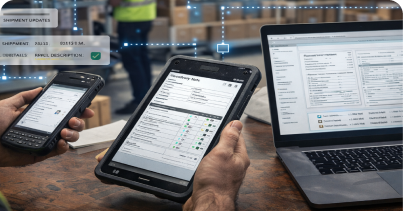
Best practice: update every scrap item in the WMS or ERP within the same shift to protect inventory accuracy.

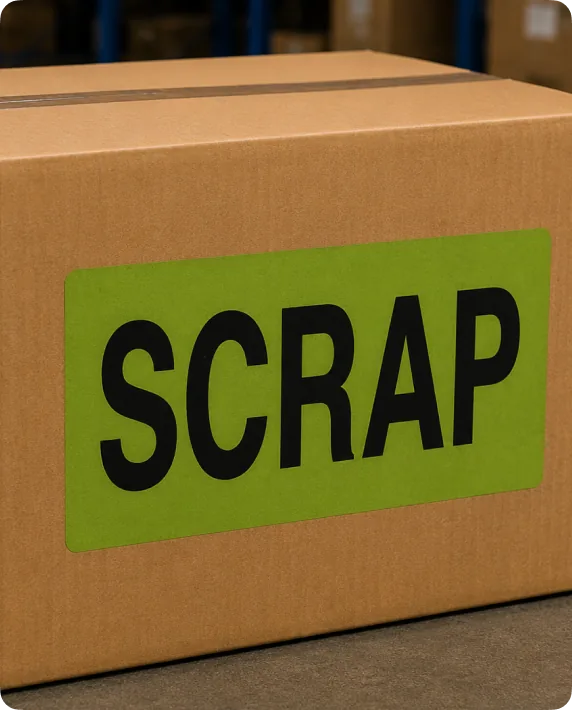
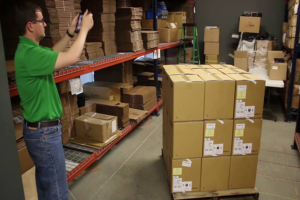
Carton with a bright green SCRAP label

3. Scrap areas should be clearly defined

If scrap items are scattered across the warehouse, they create noise.

They slow down audits, complicate clean-up, and make it harder to know what is truly awaiting disposal or review.

Best practice: maintain a dedicated, clearly marked scrap zone that everyone understands and uses consistently.

4. Scrap should be reviewed, not just removed

Many teams dispose of scrap quickly without asking why it happened.

That is a missed opportunity.

A weekly review can reveal whether the issue is supplier-related, handling-related, storage-related, or tied to a process gap that keeps repeating. Patterns usually appear long before the loss shows up in the numbers.

Turning Scrap Into Insight

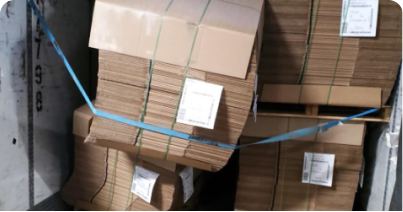
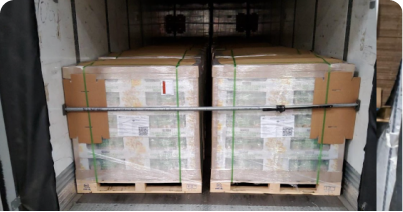
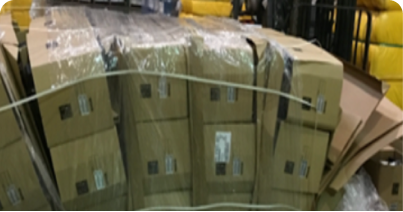
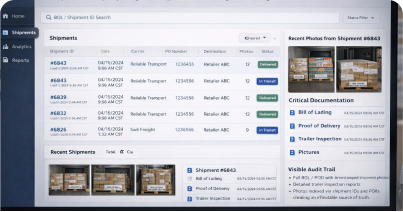
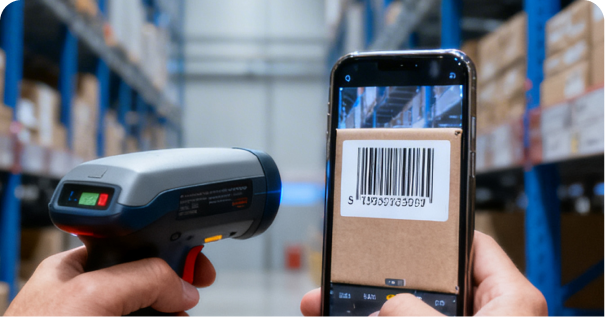
Pro Tip: Take a quick photo the moment scrap is identified, before it moves to the scrap zone and note why it was scrapped. This creates clear visual documentation in warehouse operations, helping the next shift, quality team, or auditor understand exactly what happened and reducing repeat mistakes.

The goal is not to eliminate scrap entirely. That is unrealistic in most warehouse environments.

The real goal is to learn from it faster than it repeats.

That is where a simple scrap label becomes more than a tag. It becomes a checkpoint. A signal. A way to turn silent loss into visible, actionable information.

Final thought

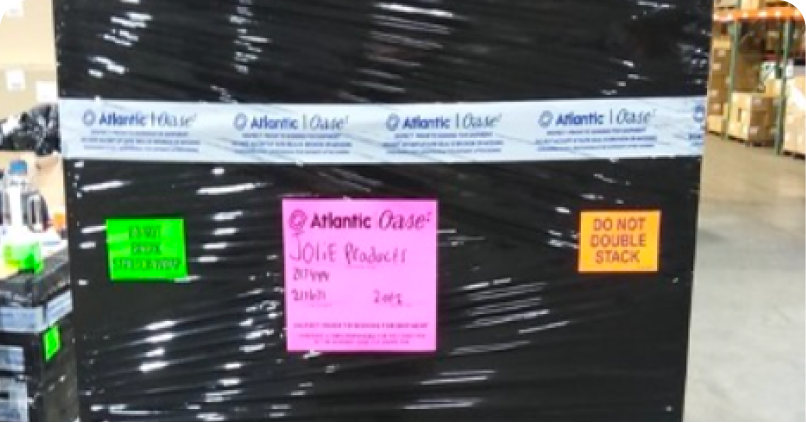
On the surface, a scrap label is just a green tag with a bold word on it. On the warehouse floor, it is much more than that.

It is a marker of control, a checkpoint in the scrap handling process, and a chance to catch issues before they spread. And when that label is backed by visual documentation in warehouse workflows, it becomes even more powerful. It gives the team a record they can trust, a story they can verify, and a process they can improve.

And it all starts with paying attention to what most people ignore.

Share this Article
Dive Deeper