

OUR BLOG
Quality Hold

A Guide to Warehouse Quality Holds and Best Practices for Managing Product Defects

Speed saves money in logistics, but it’s the enemy of quality the moment a damaged drum hits the line. When a pallet of contaminated chemicals or a batch of mislabeled electronics starts moving through your system, that momentum becomes your biggest liability. Every second a defective item remains in the “active” picking lane, the risk of a catastrophic customer complaint or a costly recall grows exponentially.

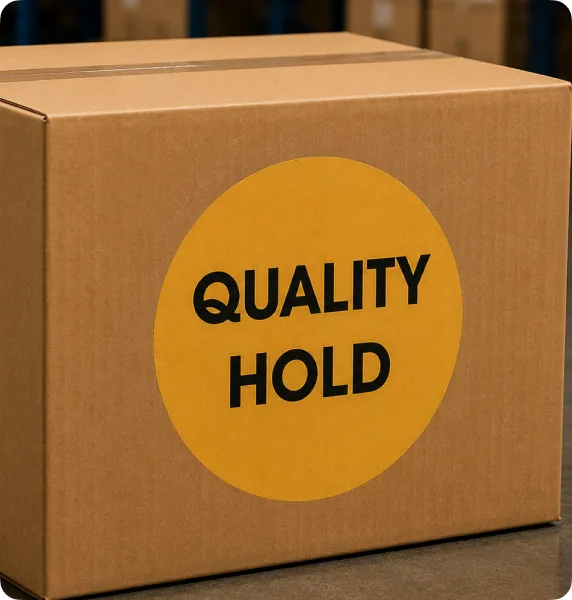
A “Quality Hold” label is not just a piece of yellow tape; it is a physical lock on your inventory. While other markers might indicate a routine delay, this label signals an active intervention. It is a definitive order to stop, assess, and contain. Establishing a rigorous warehouse quality control hold process is the only way to ensure that supply chain quality failures are caught at the rack, rather than at the customer’s door.

When Should You Use It?

Not every issue requires a hold. Use it when there is a real problem that makes a product unsafe or unusable. These supply chain quality failures include:

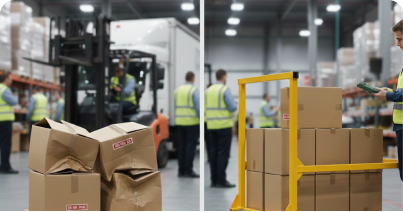
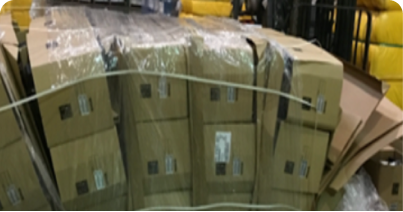
  • Broken Packaging: Crushed corners, punctured drums, or broken seals found during a routine cycle count or pick.
  • The Wrong Item or Mislabeled Goods: When the physical contents of a box do not match the SKU or description on the outer label.
  • Product Contamination Risk Logistics: Any signs of pests, leaking fluids from overhead pipes, or strong “off-model” odors near the product.
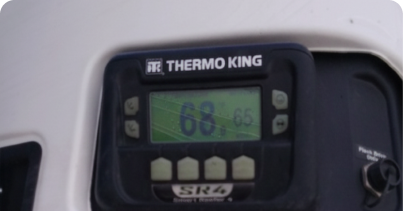
  • Temperature Problems: If a “cold chain” sensor shows the product spent time outside its safe temperature range.
  • In-Process Failure: A manufacturing batch that failed a specific mid-production test (e.g., weight, dimensions, or chemical composition).
  • Bad Quality: A part is the wrong size, the wrong color, or just doesn’t work right.
  • Customer Safety Alerts: Immediate holds triggered by a manufacturer notification regarding a specific lot number (Pre-Recall).

To prevent further supply chain quality failures, these “Red Flag” situations must trigger an immediate “Quality Hold” label.

Placement Strategy

A label is useless if nobody sees it. Labels need to be placed where they interrupt the worker’s job to maintain a strict warehouse quality control hold process. If a picker can grab a box without seeing the “Hold” sign, your system has failed.

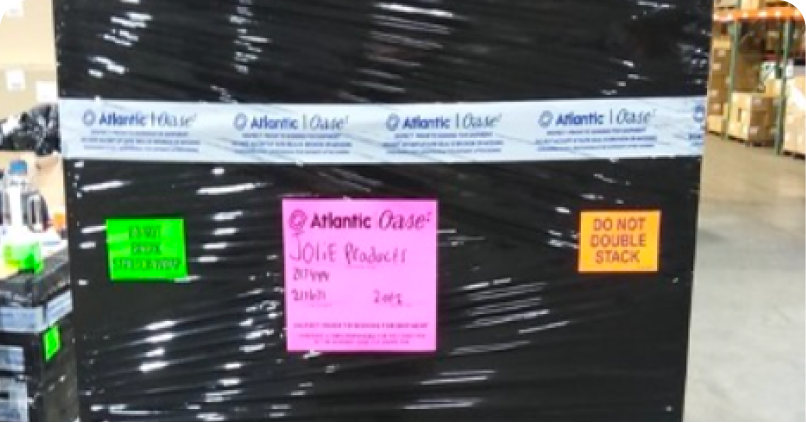
  • The “Forklift Eye-Level”: Apply the “Quality Hold” label to at least two adjacent sides of a pallet, specifically at a height of 1.2 to 1.5 meters. This ensures a forklift operator sees the status before they even engage the forks.
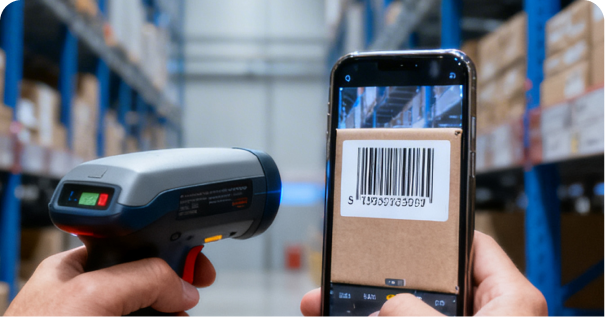
  • Over the Barcode: A best practice in many high-tech warehouses is to place the label directly over the main shipping barcode. This forces the picker to stop because their scanner cannot read the SKU.
  • Individual Units vs. Pallets: If the defect is localized (e.g., three leaking bottles in a case of twelve), the units must be stripped, labeled individually, and moved to a small-parts hold bin to prevent them from being accidentally restocked.
Carton with a round orange QUALITY HOLD label

The “Double-Lock” Method

Simply slapping a sticker on a pallet is not enough to stop a motivated picker during a peak shift. To truly manage supply chain quality failures, you must implement the “Double-Lock” method.

Step 1: The Physical Segregation of Defective Inventory

You must move the “Held” stock to a dedicated, physically fenced, or marked “Quality Hold Zone.” By ensuring the segregation of defective inventory, you remove the possibility of a “wrong pallet pull.” This zone should be clearly marked with floor tape and signage, acting as the “quarantine” area of your facility.

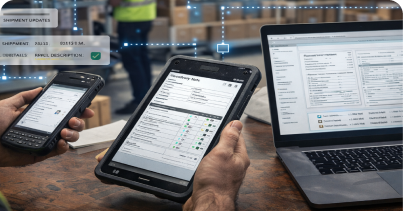
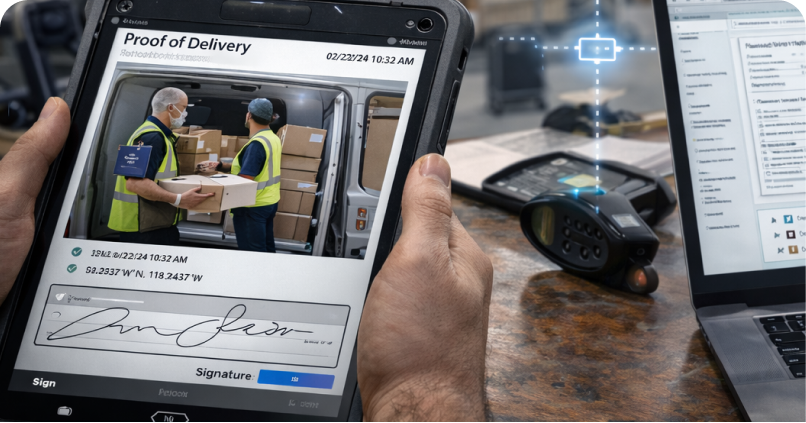
Step 2: Digital Verification and Photo Proof

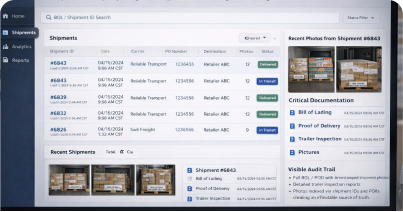
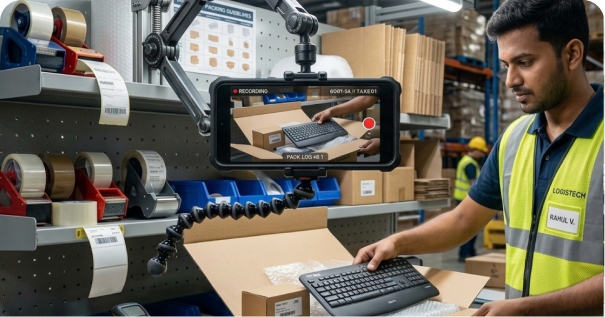
Before moving the pallet to the quarantine zone, the supervisor should take two high-resolution photos: one showing the specific defect (the leak, the dent, or the mismatch) and one showing the “Quality Hold” label in place. This provides the audit trail needed to prove that your warehouse quality control hold process was followed to the letter, protecting your facility during later QC audits.

Conclusion

The “Quality Hold” label is the frontline defender of your brand’s reputation. In a world of automated sorting and high-speed fulfillment, the human ability to spot a product contamination risk logistics event and “freeze” the line is your greatest asset.

Success depends on a culture where every dock worker feels empowered to pull that yellow sticker. When you combine high-visibility labeling with the physical segregation of defective inventory, you turn a simple yellow circle into a powerful, unbreakable system of operational integrity.

Share this Article
Dive Deeper