















OUR BLOG
Biohazard

5 Best Practices for Biohazard Labeling and Packaging

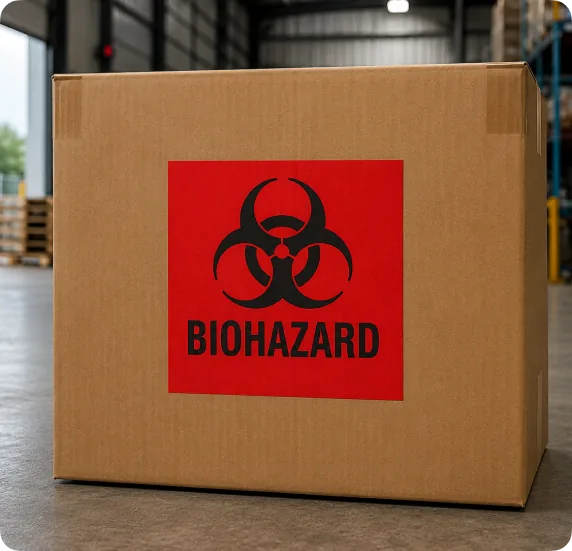
A label serves as a set of instructions that must remain readable from the moment of dispatch to the final delivery. In specialized logistics, speed is a baseline requirement, but maintaining safety throughout the journey is the real challenge. The “Biohazard” symbol serves as a vital warning in the supply chain, indicating that a shipment may contain materials posing a risk to handlers, the public, or the environment. Correct usage ensures that everyone involved in infectious material transport understands the required precautions, protecting both the workforce and the integrity of the cargo.

To operate at the highest logistics safety standards, teams must treat biological labeling as a functional tool rather than a clerical task. Here are the professional best practices for managing these sensitive shipments.

1. Strategic Application and Classification

Labels should be used only for materials that strictly meet the criteria for biological risk, such as medical waste, laboratory samples, or contaminated diagnostic equipment. One of the biggest risks in hazardous shipment handling is “warning fatigue.” When non-hazardous items are over-labeled, handlers may stop treating the icon with the necessary caution.

Accurate classification is the first step in any dangerous goods packaging strategy. It ensures that high-priority safety protocols are applied only when truly required, preserving the urgency of the warning for when it matters most.

2. Visibility and Environmental Durability

A label must remain readable throughout the entire process of infectious material transport. Logistics environments are harsh so, shipments are exposed to moisture, friction, and temperature fluctuations that can degrade poor-quality markings.

  • Placement: Position labels on the outer packaging on at least two sides so they are visible regardless of how the pallet is staged.
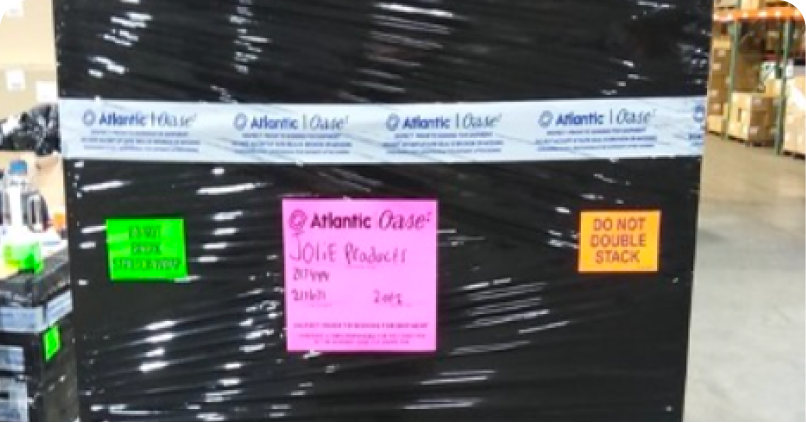
  • Obstruction Control: A common error in hazardous shipment handling is allowing shipping tape, plastic wrap, or carrier waybills to obscure the biohazard symbol.
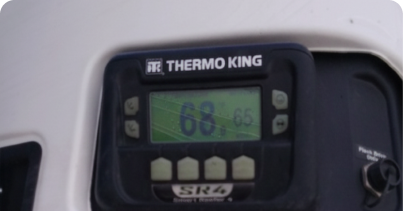
  • Adhesive Standards: Use weather-resistant materials. A label that peels off in a refrigerated truck is a compliance failure that can halt an entire supply chain.
Carton with a red and black BIOHAZARD symbol label

3. Integrity Through Multi-Layered Packaging

A warning label identifies risk, but it does not contain it. Effective dangerous goods packaging requires that materials be secured using a triple-packaging approach. This includes a leak-proof primary receptacle, a leak-proof secondary packaging, and a rigid outer package.

Include sufficient cushioning and absorbent materials, enough to soak up the entire liquid contents, to prevent breakage. This physical layer of protection is what allows the shipment to meet international logistics safety standards even if the external box is dropped or jarred.

4. Workforce Readiness and Response Protocols

Every person in the supply chain should understand what the biohazard label signifies. Proper hazardous shipment handling depends on a workforce that is trained to identify and react to biological risks immediately.

Training must move beyond simple recognition; it should cover the “Spill Response” chain of command. If a package is damaged, workers must know how to isolate the area and who to notify. This level of awareness transforms a label from a passive sign into a functional safety tool that protects the lives of warehouse and transit staff.

5. Digital Documentation and Visual Evidence

Proper records are necessary for traceability and regulatory compliance. Detailed documentation supports audits and confirms that all dangerous goods packaging requirements were met before the item left the dock.

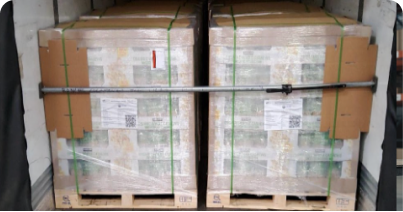
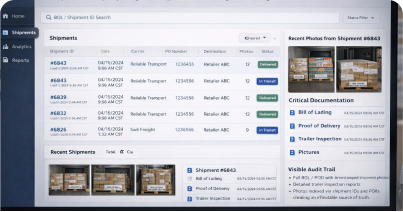
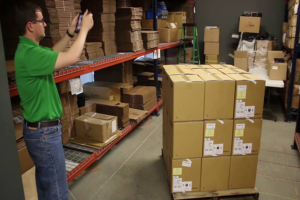
Capturing timestamped photos of labeled packages during dispatch provides visual proof that safety protocols were followed. If a dispute arises regarding the condition of the shipment upon delivery, having a photo that shows the label was intact and the packaging was dry is your best defense. This practice improves accountability and ensures that infectious material transport is backed by a verifiable data trail.

Final Perspective: Traceability as the Goal

Proper use of the biohazard symbol is essential for operational safety, but labeling alone is not enough. The true benchmark of a successful operation is traceability. Effective logistics requires answering more than just “Was it labeled?” Success depends on verifying that the shipment was labeled correctly, remained visible, and was documented at every hand-off. Organizations that combine accurate labeling with proof-based documentation operate with the precision required for high-risk cargo.

Share this Article
Dive Deeper