






OUR BLOG
Radioactive Yellow III

Navigating Radioactive Material Transport Regulations: A Guide to Yellow-III Compliance

You can’t manage what you can’t see unless you have the right data. In the specialized world of hazardous materials, the Class 7 Radioactive Yellow-III label is the definitive source of that data. Moving radioactive items is not just about moving a crate; it is about managing invisible risks through strict mechanical and digital discipline. Discover why the Transport Index and a smartphone are now a logistics manager’s best tools for secure radioactive freight handling.

The Role of Visual Controls in Radiation Safety

Because humans cannot see, smell, or feel radiation, you rely entirely on radioactive material transport regulations to act as your “eyes.” This labeling system is designed to ensure that danger levels are transparent at every hand-off point, from the warehouse dock to the flight crew.

The Yellow-III designation is reserved for packages with the highest surface radiation levels in the category. This makes the label a mandatory operational signal that standard “general cargo” procedures must be suspended in favor of specialized safety protocols. Adherence to these regulations ensures that emergency teams know exactly what they are facing if a transition failure occurs, preventing a minor incident from becoming a public safety crisis.

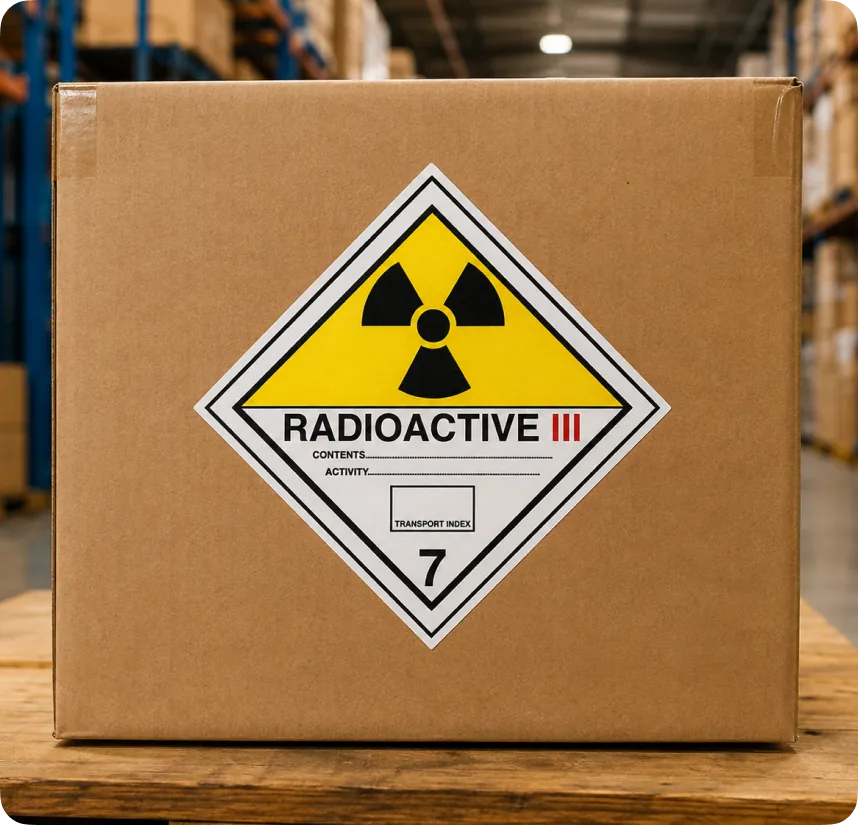
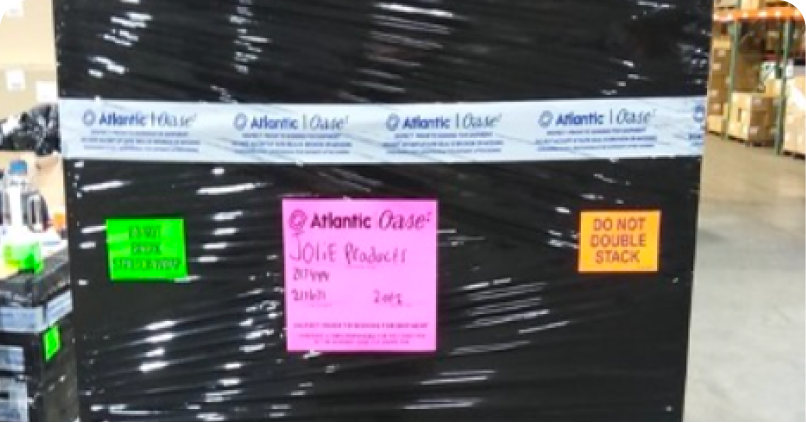
Carton on a pallet with a yellow RADIOACTIVE III Class 7 hazard diamond label

Precision in Documentation: The Transport Index (TI)

Accuracy is the most critical element of Class 7 dangerous goods shipping. Unlike other hazard classes where a label is simply a warning, a Yellow-III label is a data entry point. It is not considered valid until the following three technical fields are filled in by hand:

  1. The Transport Index (TI): This is the most vital number in the shipment. It represents the maximum radiation level measured at one meter from the external surface of the package. This number determines how many packages can be stored together and how far they must stay from people.
  2. Contents: The specific radionuclides must be listed (e.g., I-131 or Co-60).
  3. Activity: This describes the rate of decay, usually measured in Becquerels (Bq) or Curies (Ci).

Pro-Tip: Always apply these labels to at least two opposite sides of the container. If a pallet is pushed against a wall or blocked by other freight, the second label ensures the nuclear material transport documentation remains physically accessible for safety audits.

Digital Accountability

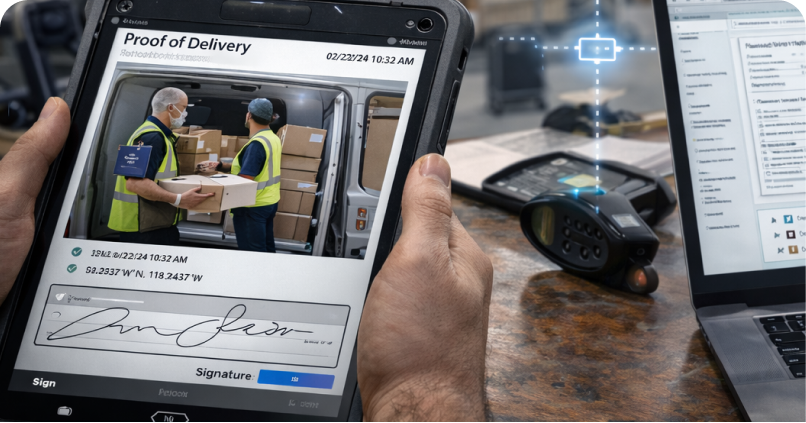
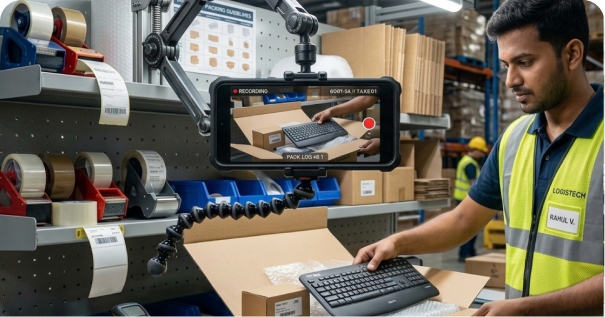
Since radiation cannot be seen, proving that secure radioactive freight handling took place requires a digital audit trail. Capturing high-resolution photos during the loading and unloading process is no longer optional for top-tier carriers; it is a best practice for liability protection.

A robust photo process provides verifiable evidence that:

  • The package integrity was uncompromised upon arrival.
  • The handwritten TI and Activity numbers were legible at the start of the journey.
  • Vehicle placarding was correctly applied to all four sides of the transport unit.
  • Security seals remained intact throughout the transit.

By integrating time-stamped images into your nuclear material transport documentation, you create an “airtight” record. This level of transparency makes government audits seamless and proves that your team followed every letter of the radioactive material transport regulations.

Vehicle Requirements and the ALARA Principle

Shipments requiring Yellow-III labels trigger stricter transport rules than lower-level radioactive goods. For instance, these items are typically restricted to “Cargo Aircraft Only” and require the transport vehicle to display large Class 7 placards on all four sides, regardless of the package weight. In many cases, “Exclusive Use” is required, meaning the truck carries only that specific cargo to minimize unnecessary handling and exposure.

Safety officers manage these risks using the ALARA principle: As Low As Reasonably Achievable. This is managed through:

  • Time: Reducing the duration workers spend near the package.
  • Distance: Utilizing forklifts and specialized equipment to maintain a safe gap.
  • Shielding: Placing the cargo behind high-density materials when staged in the warehouse.

Conclusion

Managing Class 7 dangerous goods shipping requires a culture of precision. By combining handwritten accuracy with modern photo documentation, you protect your workers, your business, and the public. Success in radioactive material transport regulations is defined by a commitment to visibility: making the invisible risks clear, documented, and controlled.

Share this Article
Dive Deeper