















OUR BLOG
Digitize your paper documents using LoadProof

Why Successful Logistics Teams Move Away from Paper Documentation

Paper-based documentation continues to slow down warehouse and transportation operations. Clipboards, handwritten forms, and physical filing systems make it difficult to retrieve information quickly and create unnecessary risk in high-volume fulfillment environments. While many teams recognize that paper is inefficient, fewer understand how much time, money, and credibility are lost when critical documents cannot be accessed on demand.
Digital documentation has become an operational necessity, playing a critical role in driving supply chain efficiency across warehouse and logistics operations.

The Challenge: Paper-Intensive Operations

Logistics teams handle large volumes of physical paperwork every day, including:
  • Handwritten pick lists for outbound orders
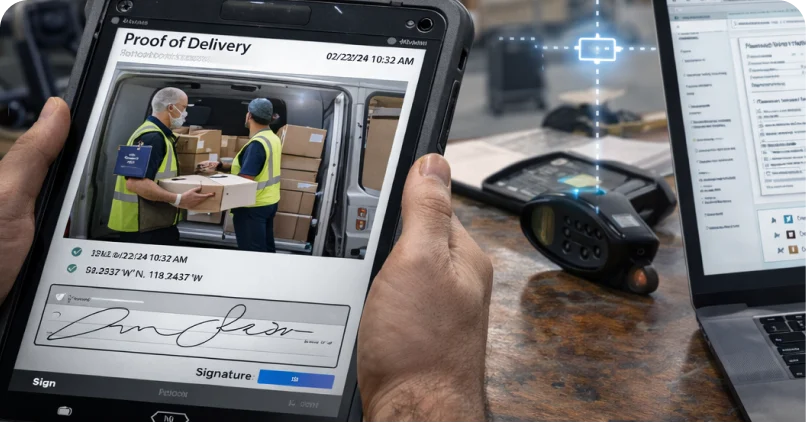
  • Signed delivery notes used as proof of delivery
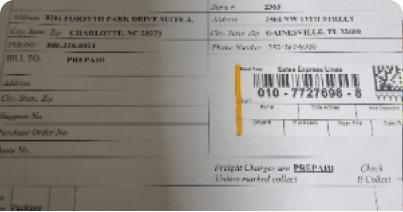
  • Bills of Lading (BOLs) and transfer receipts
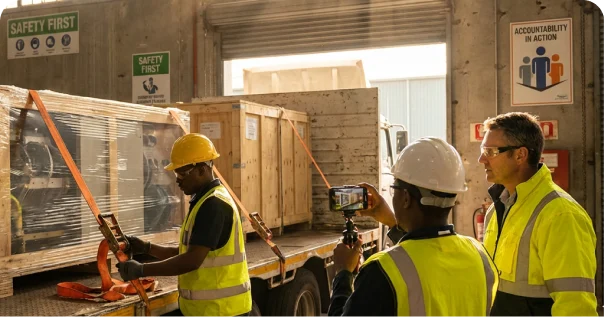
  • Safety checklists and equipment inspection logs
Managing these documents manually leads to misplaced files, illegible handwriting, and slow retrieval. Once information is locked on paper, it becomes invisible to the rest of the organization. Over time, these inefficiencies create a hidden operational cost that impacts billing accuracy, customer response times, and overall supply chain efficiency.

The Cost of Staying Manual

Paper-based workflows introduce more than clutter, they create financial exposure. When documentation goes missing, the business loses its ability to prove what was shipped, when it moved, and in what condition.
In shortage, damage, or service-level disputes, the inability to produce documentation within minutes often results in denied claims, delayed billing, or strained customer relationships. Relying on filing cabinets and storage rooms leaves teams vulnerable in an industry where proof and speed matter.

Digitize Warehouse Documentation at the Source

Manual filing systems are inherently prone to error. A common example is a shortage claim. When a customer disputes a shipment, locating a specific pick list or delivery record from a paper archive can take hours. If the document is misfiled or damaged, the business has no defence.
When teams digitise paper documents at the point of activity, they create searchable, permanent records tied to each shipment, giving operations, finance, and leadership immediate visibility and reliable access to accurate information.
Industry Insight: Digital transformation is a tactical necessity on the warehouse floor where speed and verification are the primary drivers of success.

How to Implement a Digital Documentation Workflow

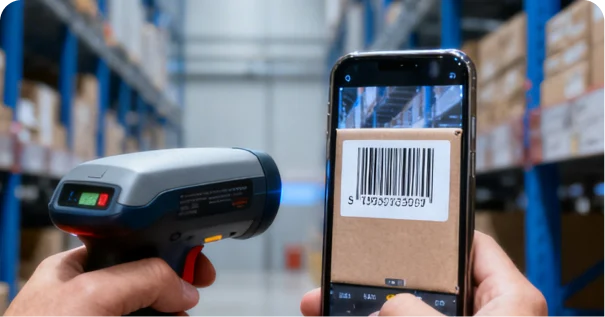
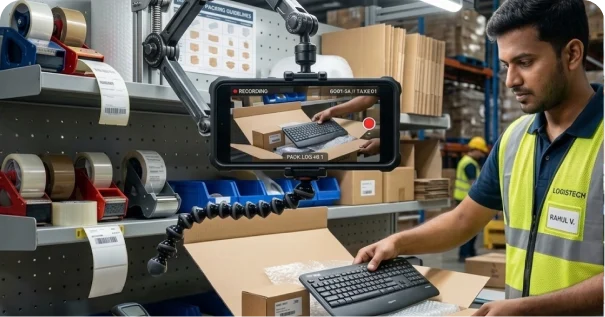
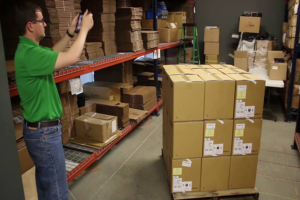
Modern logistics platforms allow teams to digitize paper documents using mobile devices already present in daily operations. Capturing records during fulfillment ensures context is preserved and errors are reduced.
Key elements of an effective workflow include:
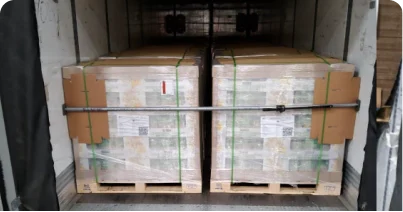
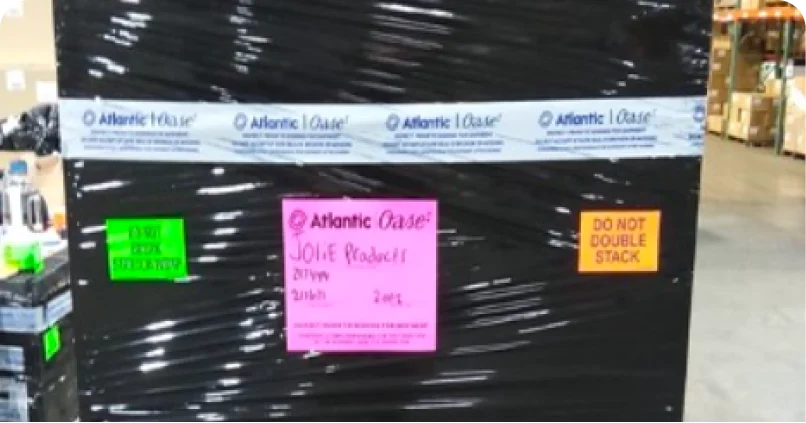
1. Capture and Index: Photos or videos of pick lists, delivery notes, pallets, and forms are captured during execution.
2. Secure Synchronisation: Files are instantly uploaded to a centralized system, eliminating the risk of lost or damaged paperwork.
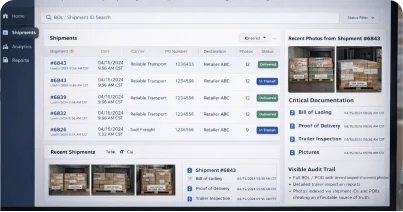
3. Contextual Metadata: Each record is automatically tagged with timestamps, locations, and user information to create a complete audit trail.
4. Rapid Retrieval: Documents can be accessed in seconds using PO numbers, load IDs, or shipment references.
Operational Impact of Digital Records
Operational Benefit
Digital Record Result
Speed
Instant uploads replace manual filing.
Traceability
Time-stamped and geo-tagged documentation.
Liability Mitigation
Faster claim resolution and dispute defense.
Quality Control
Digital audits reduce shipment discrepancies.
Transitioning to digital records does more than save time, it improves accountability and consistency across warehouse operations.

Turning Documentation into a Defense Strategy

Digital documentation transforms records from a passive administrative task into an active operational safeguard. When shipment records are digitised and easily accessible, teams can quickly respond to claims, prevent revenue leakage, and protect customer relationships.

Conclusion

Shifting away from paper-based systems is a critical step toward operational maturity. Digitizing warehouse documentation strengthens visibility, improves response times, and reduces unnecessary risk. Organizations that prioritize digital records build more resilient, data-driven operations, better prepared to handle disputes, audits, and the increasing pace of global logistics.
Improving supply chain efficiency often starts with one simple decision: replacing the clipboard with a digital record.
Share this Article
Dive Deeper