



OUR BLOG
Tag Photos with Serial Numbers for High-Value Shipments

High-Value Shipment Tracking Requires More Than Serial Numbers

For decades, the “Gold Standard” in warehousing was a signed pick-sheet and a recorded serial number. The industry operated under the belief that as long as the data was captured, the operation was protected. 
But in today’s high-velocity supply chain, data without context is a liability.
For those managing high-value shipment tracking, including electronics, medical devices, or industrial machinery—the “Data Gap” is a familiar hurdle. Standard tracking confirms where an item is supposed to be, but it says nothing about the physical condition of that item when it left the facility. Conversely, a random photo may show an item’s condition, but if it isn’t organized, it is nearly impossible to retrieve when a claim arises sixty days later.
To truly insulate an operation from loss, the industry must move toward a Visual Record of Truth. This gap between identification and condition is where documentation quietly fails and where disputes begin.

The Problem: Fragmented Proof

Most warehouses currently manage two separate silos of information:

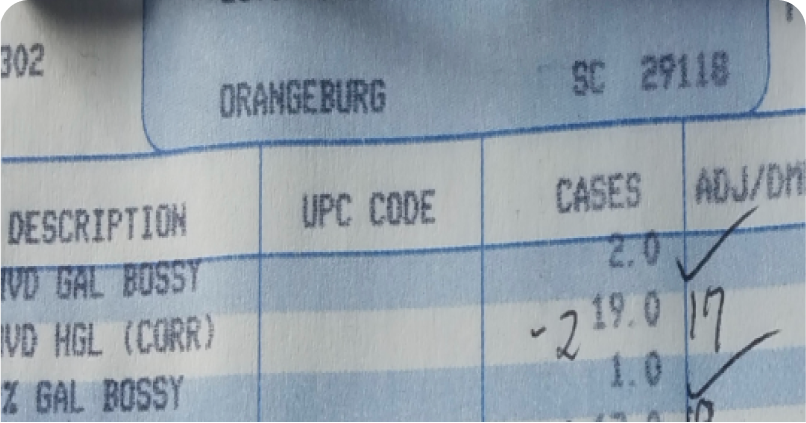
1. The Digital Record: The WMS or spreadsheet tracking the serial number.
2. The Visual Record: Photos stored on digital cameras, mobile devices, or generic shared drives.

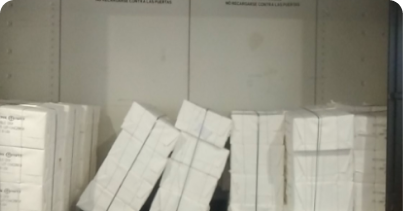
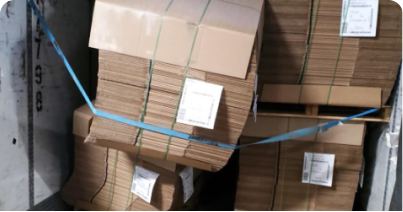
When a customer files a damage claim or a “wrong item” dispute, the burden of providing shipping evidence falls on the warehouse. Teams often spend hours attempting to match a photo of a generic cardboard box to a specific line item in a database. Without a 100% verifiable match, many companies simply absorb the cost of the claim to avoid prolonged conflict.

The Solution: Visual Identity Tracking

Modern operational excellence requires Visual Identity Tracking. This is the process where the photo and the serial number cease to be separate records and instead become a single, indisputable file.
Instead of tracking products as mere transactions, this approach treats them as uniquely documented physical assets.
By linking a unique serial number directly to visual proof at the moment of handling, a “digital fingerprint” is created for every unit.
Implementing the Visual Record of Truth
Closing the gap between data and visuals does not require new infrastructure. It starts with three practical steps for serial number verification on the warehouse floor:
1. The “Single Frame” Rule

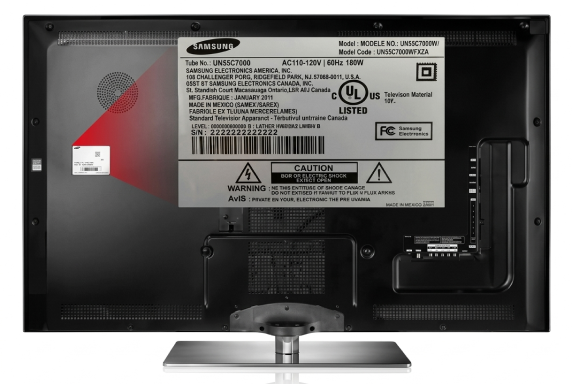
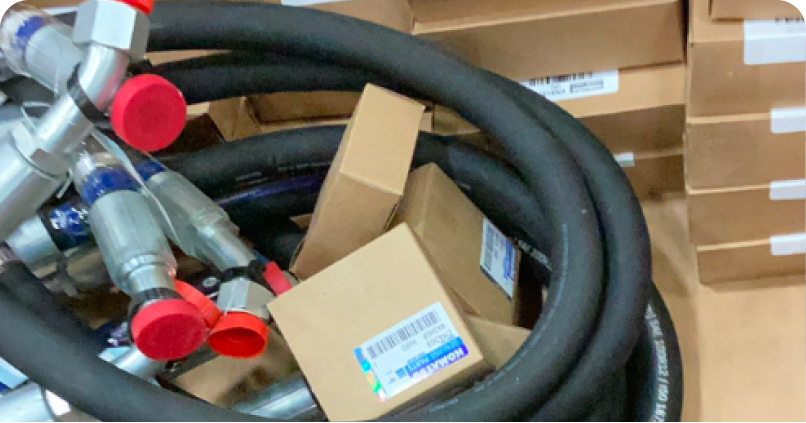
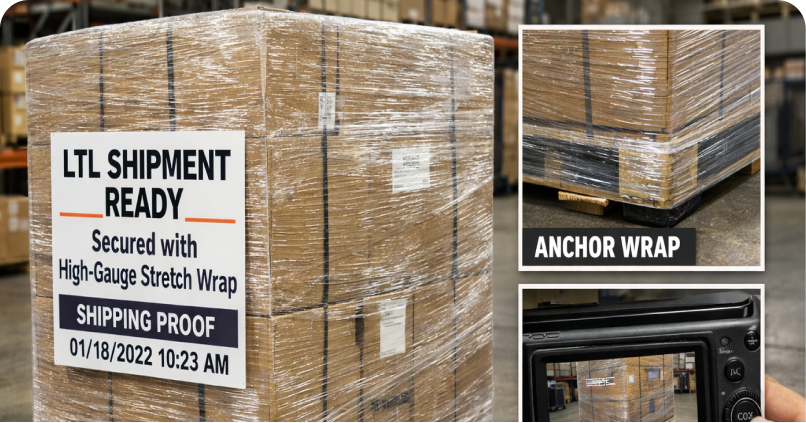
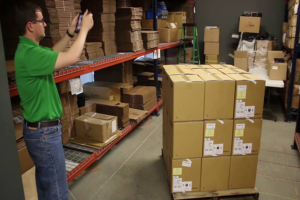
Photos should never feature just a pallet or a box. Every high-value shipment photo must include the serial number plate or barcode within the same frame as the product’s condition. This ensures the “Identity” (the number) and the “Status” (the condition) are captured simultaneously.
2. Searchable File Architecture

Storage systems should move away from generic naming conventions like “IMG_001.jpg.” By using the serial number as the file name, the visual record becomes instantly searchable. In the event of a dispute, retrieval should take seconds, not hours.
3. Documentation at the Point of Hand-off

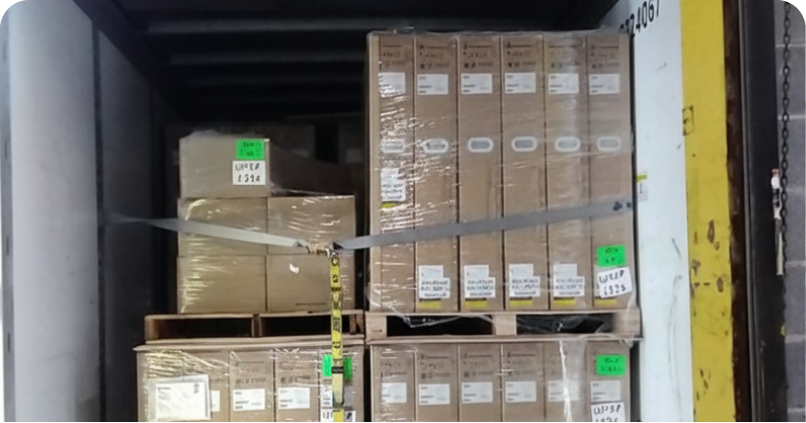
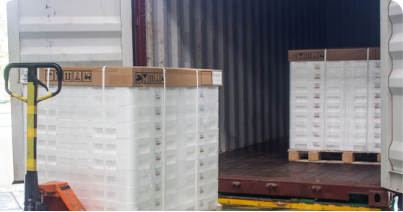
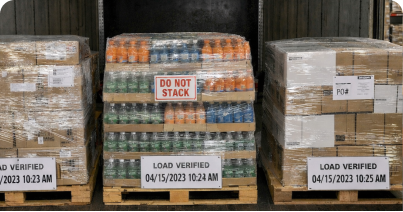
The most critical moment for documentation is during staging or loading. This is the final opportunity to verify three critical pillars:
  • Accuracy: Is this the correct unit? (Serial Number Verification)
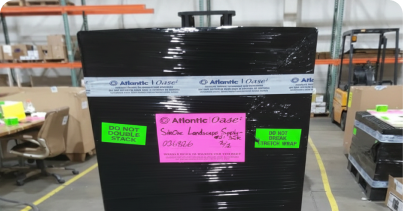
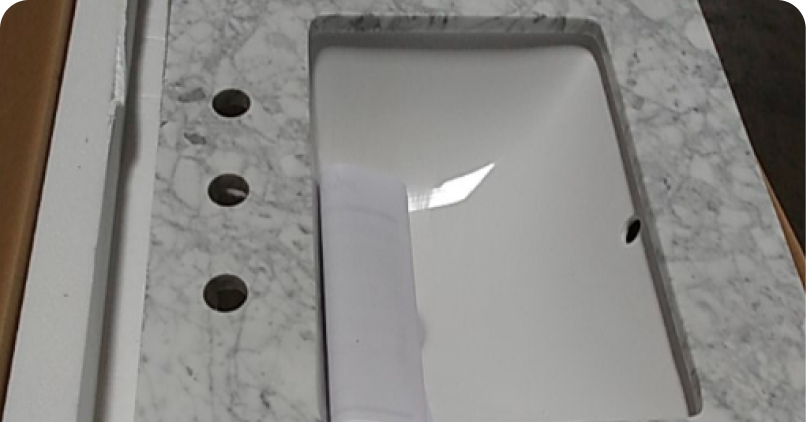
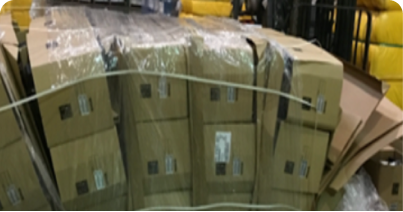
  • Integrity: Is there any visible damage or irregularity? (Visual Proof)
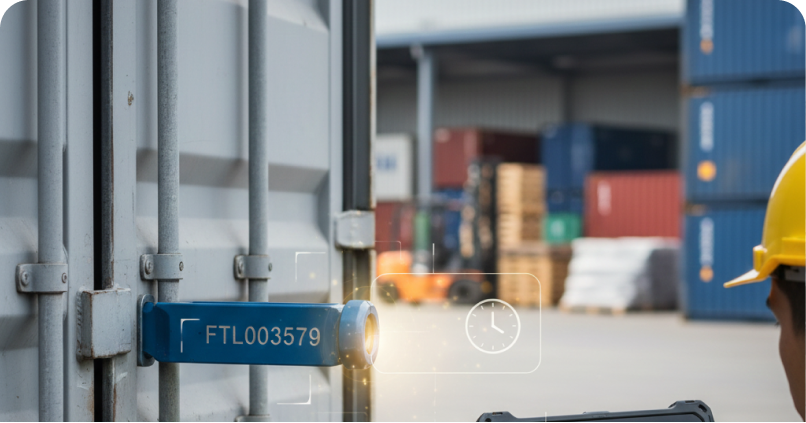
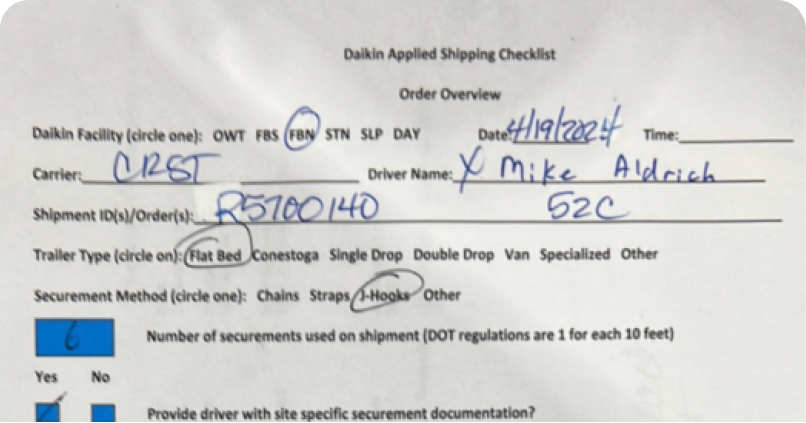
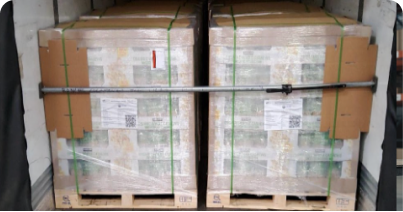
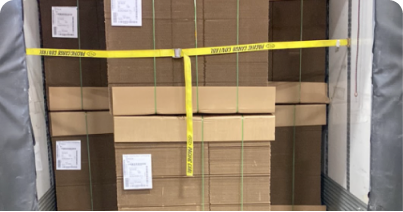
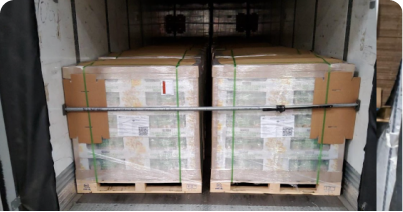
  • Compliance: Is it properly secured for transit? (Shipping Evidence)

Final Thought

In logistics, certainty reduces cost. The more that can be proven, the less time is spent explaining, negotiating, and absorbing preventable losses. By linking visual proof to serial numbers, what was once a documentation weakness becomes a measurable operational strength.

Give it a try. Apply this process to one high-risk product line, refine it, and expand from there. The results are often visible not just in fewer claims, but in faster resolutions and more confident customer conversations.
Share this Article
Dive Deeper