

Proudly Located at the Advanced Tech Dev Center at Georgia Tech
OUR BLOG
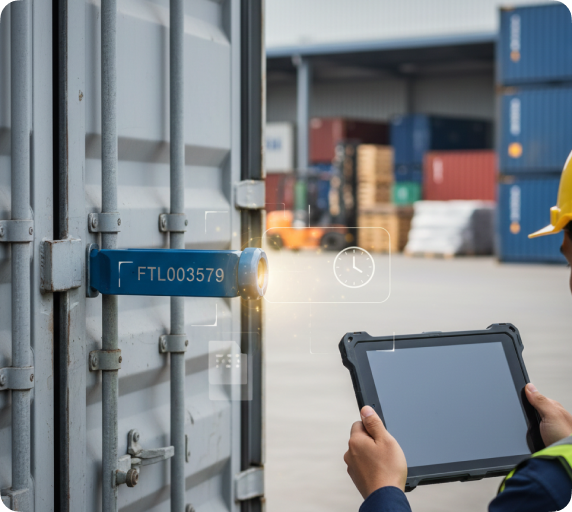
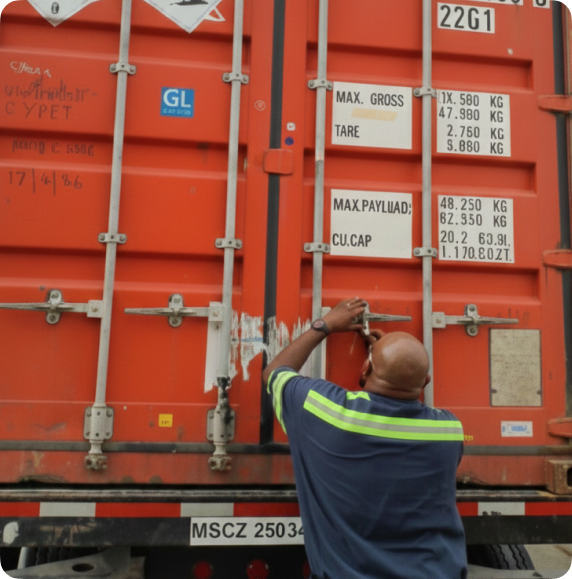
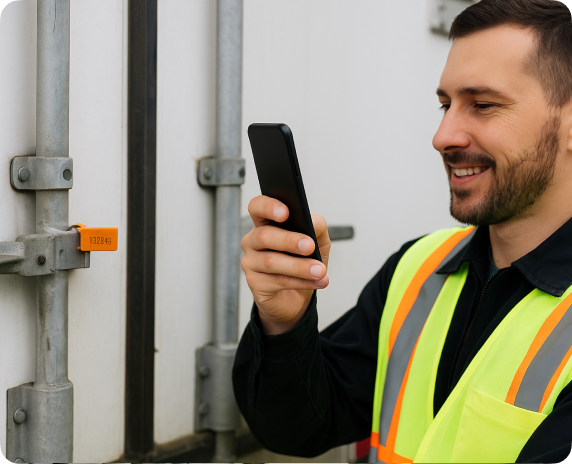
Best Practice – Apply Seal & document Seal# for FTL, FCL with photos

Seal Application & Seal Documentation for FTL and FCL Shipments - How to Guarantee FTL/FCL Shipments

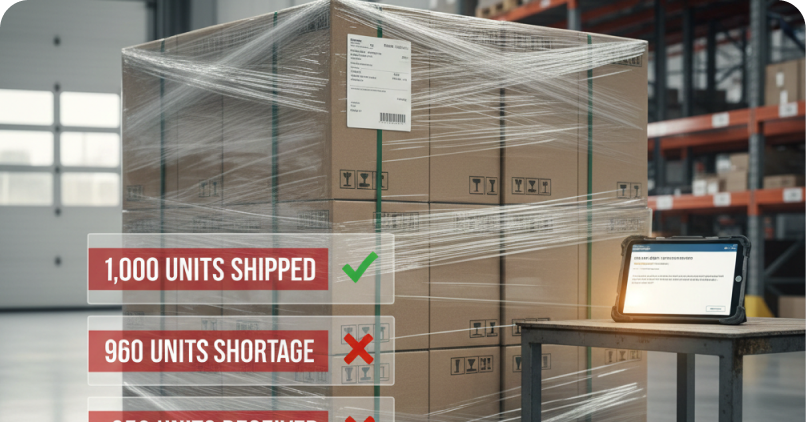
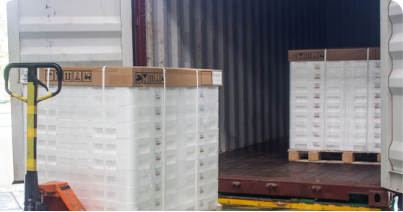
Missing products in FTL (Full Truck Load) and FCL (Full Container Load) shipments is one of the most common customer complaints in logistics. Even when your team loads everything correctly, customers may still report shortages. Without proof of how the load left your facility, these issues often result in lengthy, time-consuming investigations, which can harm your customer trust.
One of the most reliable ways to prevent this is by following a proven logistics best practice: Apply a seal after loading and document the seal number with clear photos. This practice is crucial in preventing product loss.
It does more than complete the process; it adds vital supply chain security, protects the FCL shipment integrity, and helps resolve shortage issues quickly.

Why Sealing FTL and FCL Shipments Is Critical

Seals create an official closure point for every shipment. Once the seal is applied, the trailer or container remains locked until it reaches the customer. This significantly reduces the chances of unauthorized access, tampering, or confusion during transit. This is essential for robust FTL/FCL security and proof of securement. If the seal arrives intact, it confirms the shipment remained untouched. If it arrives broken or replaced, it becomes an immediate indicator that something happened after dispatch, triggering an investigation into shipping damage claims.

Why Seal Documentation Is Now an Essential Best Practice

Many facilities apply seals, but very few document them properly. Container seal documentation is where the real value comes in, especially when dealing with missing product complaints. It helps maintain airtight trucking compliance.
Your documentation should include:
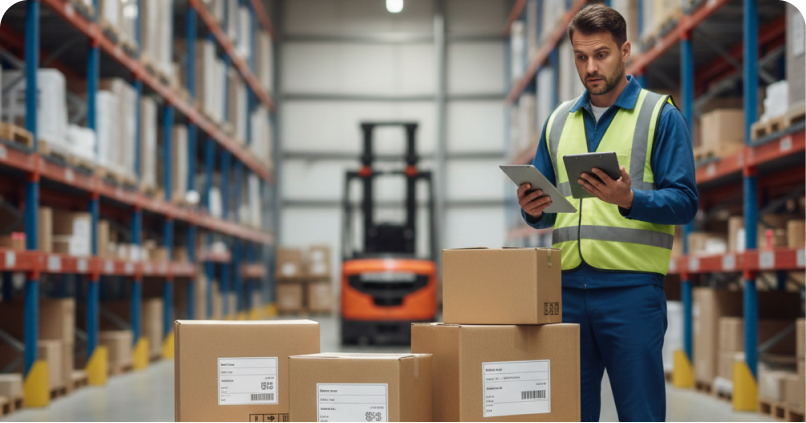
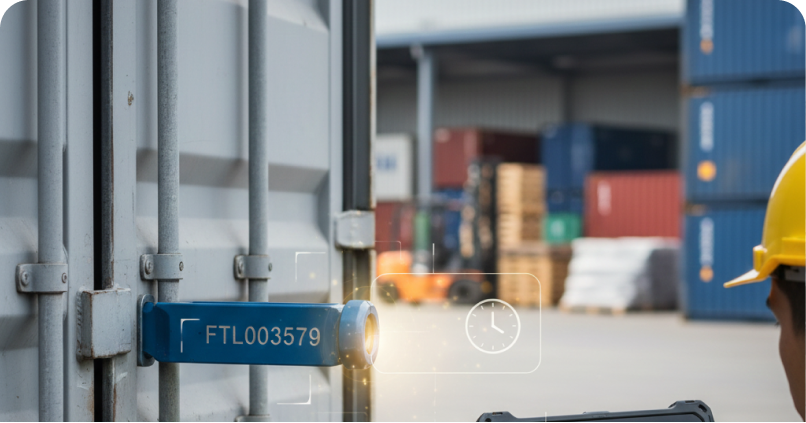
  • A clear photo of the seal number
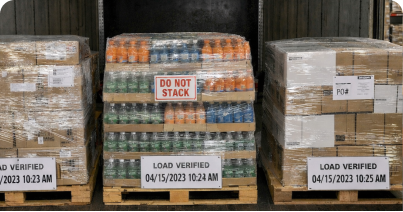
  • A photo of the closed container or trailer door
  • A time-stamped digital record
  • A log that can be retrieved quickly for verification
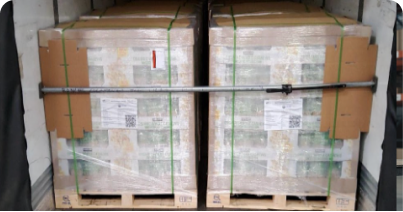
These simple steps create a reliable audit trail for every FTL and FCL shipment. When a customer reports missing goods, the verification process becomes faster and clearer because you have visual proof showing the load was sealed and secured before dispatch.

How This Best Practice Prevents Shortage Complaints

When customers claim shortages, the most common reason is the lack of visibility between loading and delivery. Seal documentation fills that visibility gap, safeguarding FCL shipment integrity. With proper sealing and photos, you can:
  • Show the exact condition of the shipment at dispatch:
  • Confirm the seal number that was applied:
  • Provide proof of securement that the trailer or container was not opened after loading:
  • Resolve shortage disputes faster:
  • Strengthen customer trust through transparency:
Customers appreciate clarity, and this logistics best practice gives them complete confidence that your warehouse process is accurate.

How to Implement This Best Practice

This is a simple routine that fits into any operation and boosts your supply chain security:
  • Load the shipment completely
  • Apply the seal after the doors are closed
  • Take a close-up photo of the seal number
  • Capture a second photo showing the locked door
  • Record the seal number digitally
  • Store the photos in an organized system
  • Share the seal details with customers if required
When this workflow becomes part of your shipping routine, shortage complaints drop significantly, protecting you from costly damage claims.

Conclusion

For any facility dealing with FTL and FCL shipments, sealing and documenting the seal number with photos is one of the most effective logistics best practices to prevent missing-product issues. It reduces disputes, improves accuracy, builds customer trust, and creates a strong chain of custody for every load, ensuring total trucking compliance.
Share this Article
Dive Deeper