





Proudly Located at the Advanced Tech Dev Center at Georgia Tech
OUR BLOG
Use thicker gage stretch wrap for LTL vs thinner gage stretch wrap for FTL.

Stretch Wrap Gauge Standards for LTL Freight Damage Prevention

Why Stretch Wrap Choice is a Make-or-Break Decision

It’s a familiar scene on receiving docks: a pallet rolls in with loose wrap and collapsed cases, even though it shipped out clean. While the immediate reaction is to blame rough handling in transit, the issue often starts earlier—at the point where the pallet was wrapped without considering the journey ahead.
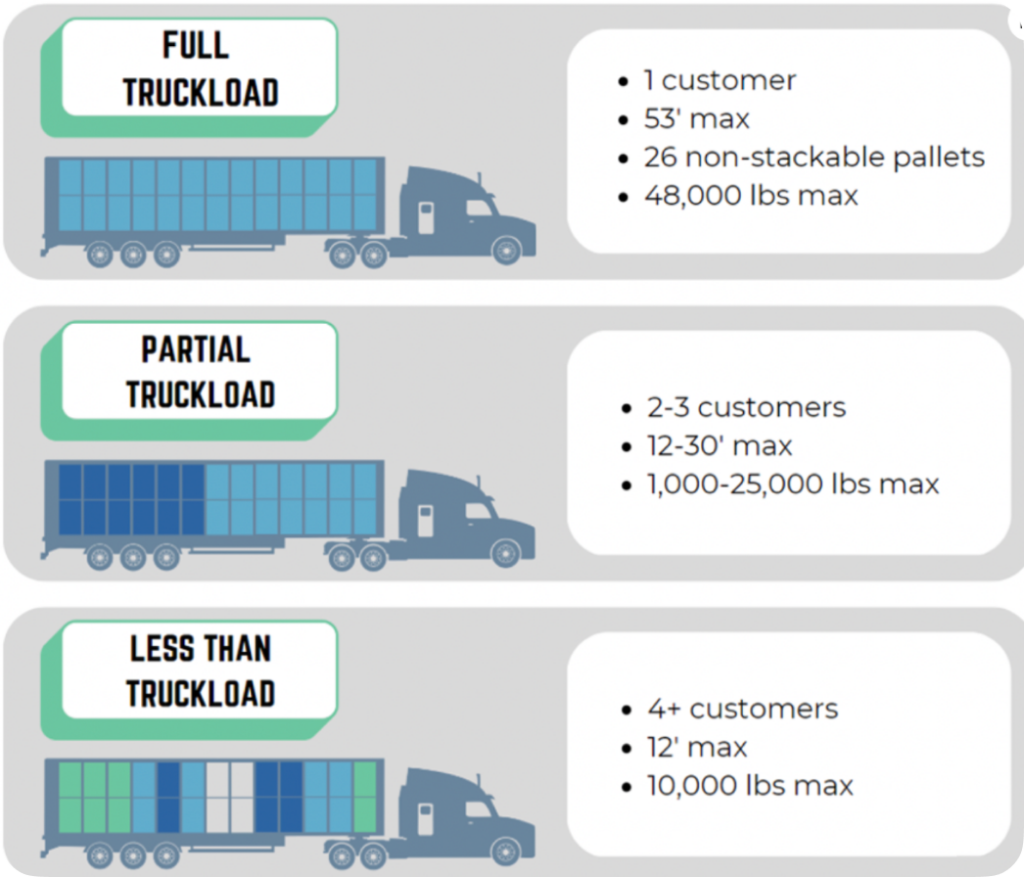
In the world of logistics best practices, not all journeys are equal. A common mistake in warehouse operations is treating a Full Truckload (FTL) shipment and a Less-Than-Truckload (LTL) shipment with the same packaging standards. But in reality, an LTL shipment isn’t just a smaller load; it typically faces far more movement. Strengthening stretch wrap for LTL is a core pillar of LTL freight damage prevention that saves thousands in rework and unnecessary headaches.
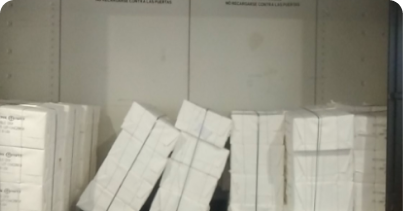
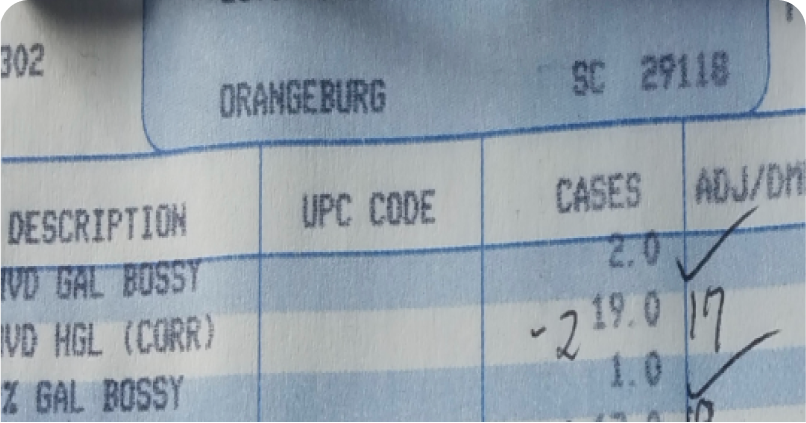
You can’t effectively process warranty claims or file necessary carrier insurance claims without irrefutable proof. This is where a simple, non-negotiable best practice becomes your most powerful asset: Implement a mandatory visual documentation protocol, photos, and videos, for every inbound return shipment.

The Reality of the Road: FTL vs. LTL Stress

To understand why wrap gauge matters, visualize the life of an LTL pallet. In an FTL shipment, a pallet usually stays in one spot from the dock to the destination, handled only twice.
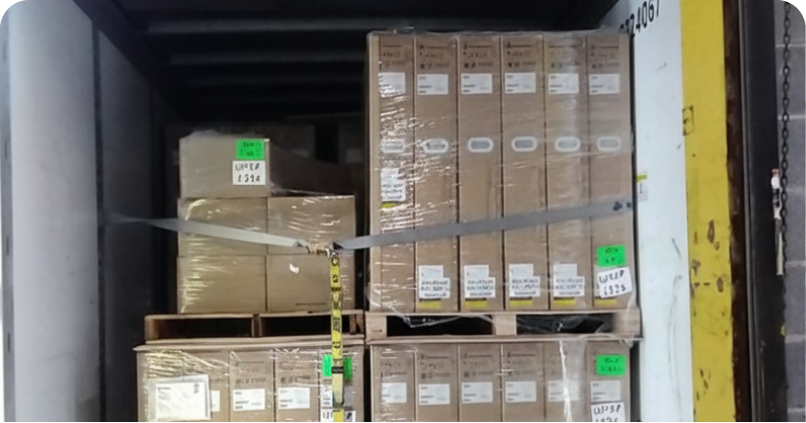
In the LTL world, that same pallet will likely see multiple terminals. It is offloaded, staged on busy docks, and moved by forklifts operating under tight windows. It is often squeezed into trailers alongside irregular freight like heavy machinery or steel piping. Every “touch” is a chance for a puncture. Every mile involves vibration that causes the thin film to stretch and lose its “memory.” Once the wrap sags, the load shifts, and your ability to reduce shipping claims disappears.

Best Practice: The Gauge Switch

The rule of thumb is simple: Increase the armor as the handling increases. To maintain high LTL freight damage prevention standards, you must differentiate your film based on the route:
  • For FTL Shipments: Operations can often utilize a lower gauge (thinner) film. Since these pallets aren’t moved between trucks, the primary goal is to prevent minor shifting and maintaining cleanliness.
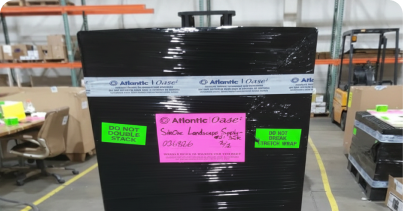
  • For LTL Shipments: Higher gauge (thicker) wrap is essential. Thicker film provides higher containment force and resists punctures from crowded docks. More importantly, thicker films offer superior “elastic recovery,” acting like a heavy-duty rubber band that pulls boxes back into position when the truck hits a bump.

Actionable Standards for the Loading Dock

Reducing damage requires consistent, dock-level execution and adherence to specific stretch wrap gauge standards:
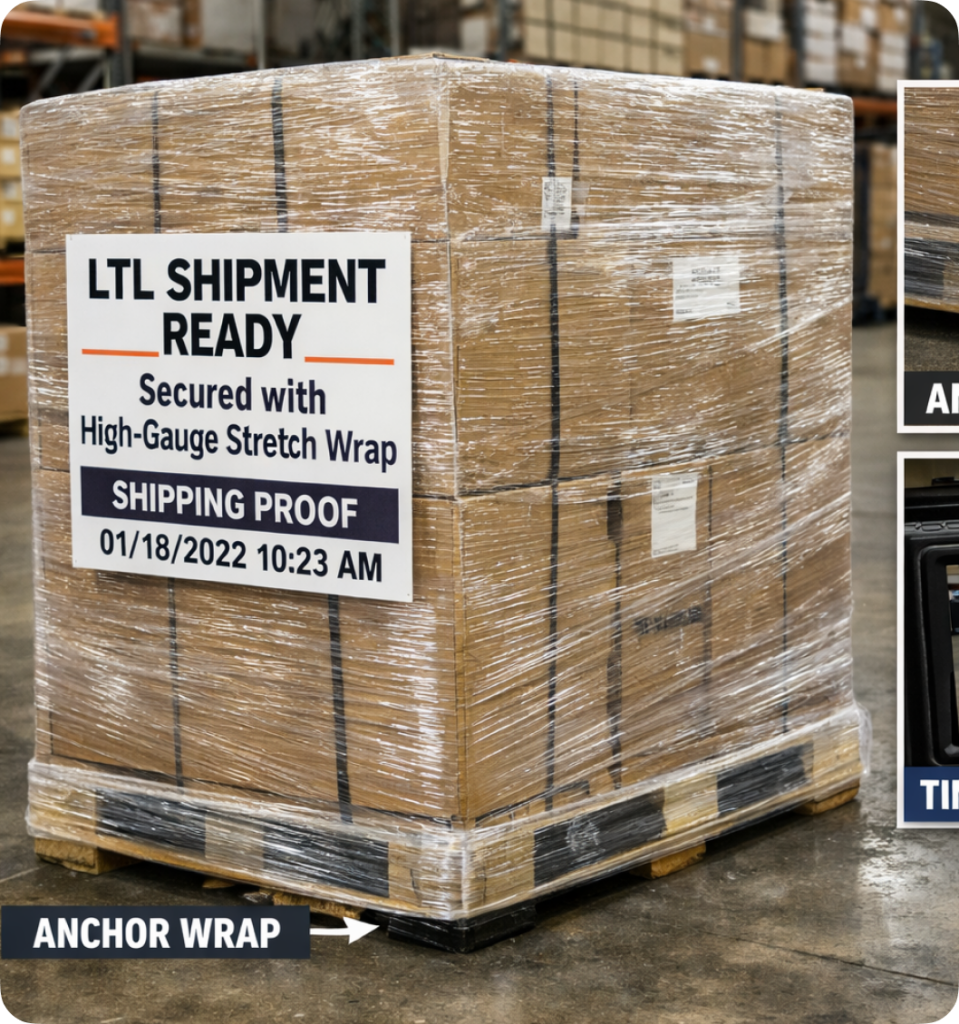
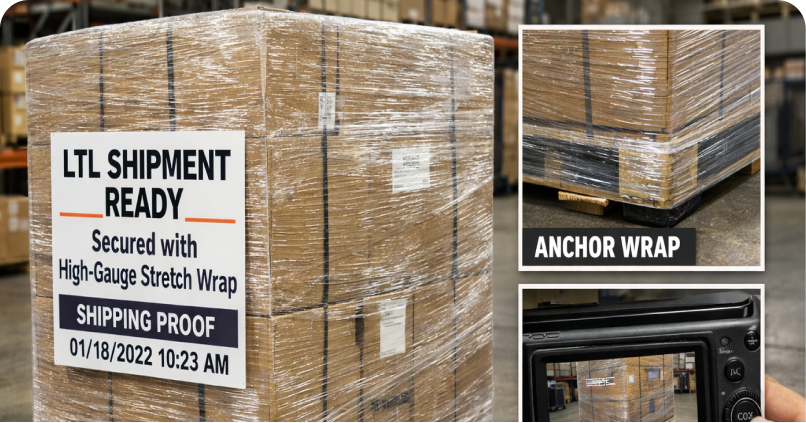
  • The “Three-Wrap” Anchor: Regardless of thickness, the base of the pallet must be secured with at least three full rotations. This prevents the load from sliding off the wooden stringers during lateral movement.
  • Regular Gauge Audits: Shipping LTL with anything less than an 80-gauge film often leaves freight under-protected. For heavy or irregular loads, moving to 100 or 120-gauge is the cheapest “insurance” available.
  • The 50% Overlap Rule: Each layer should overlap the previous one by half. This creates a laminated effect, providing structural strength that a single layer cannot achieve.

Strengthening the Process with Documentation

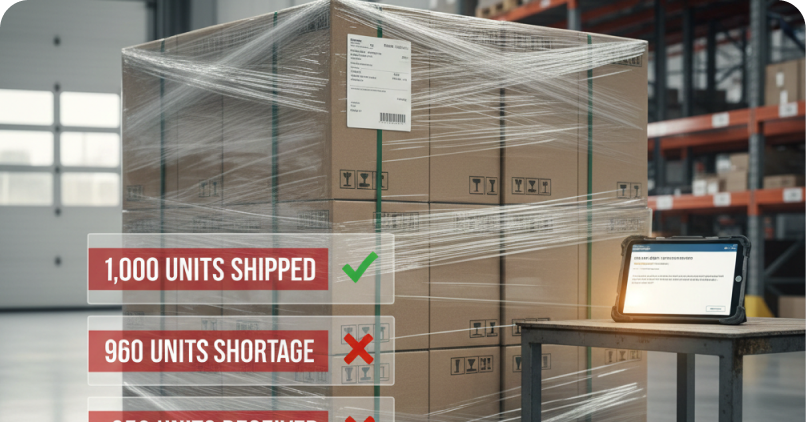
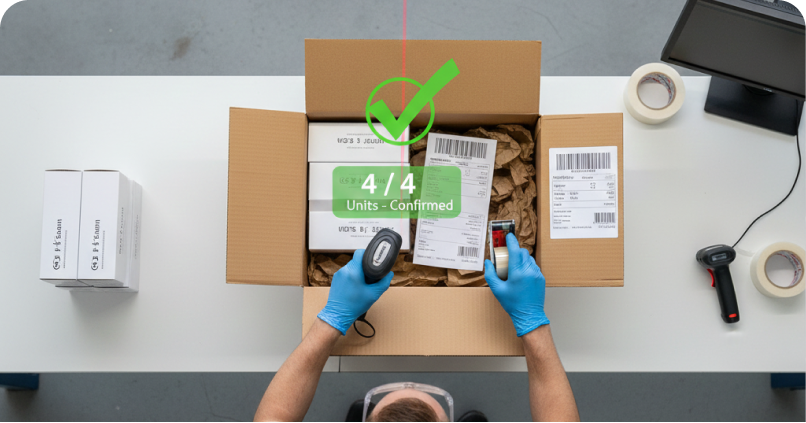
Even the best wrapping standards benefit from clear documentation. Capturing photos of the finished pallet before it leaves the dock creates an objective record of load integrity. For LTL shipments involving multiple handoffs, photo documentation helps teams quickly verify where damage occurred—at origin, during rehandling, or at delivery. These images also provide a reference for training and audits. When documentation is part of the process, investigations take less time, conversations stay factual, and teams spend energy fixing root causes instead of debating what happened.
The Bottom Line
In a high-handling LTL environment, stretch wrap is the only thing standing between a successful delivery and a “Refused Due to Damage” signature. By matching wrap thickness to the intensity of the journey and backing it up with visual proof, operations can protect their goods and significantly reduce shipping claims.
Share this Article
Dive Deeper