






Proudly Located at the Advanced Tech Dev Center at Georgia Tech
OUR BLOG
Apply Pallet content labels for Multi SKU pallets

Multi-SKU Pallet Shortage Prevention: Using Mixed Pallet Labels as Shipping Proof

Why Do Shortages Almost Always Trace Back to Mixed Pallets?

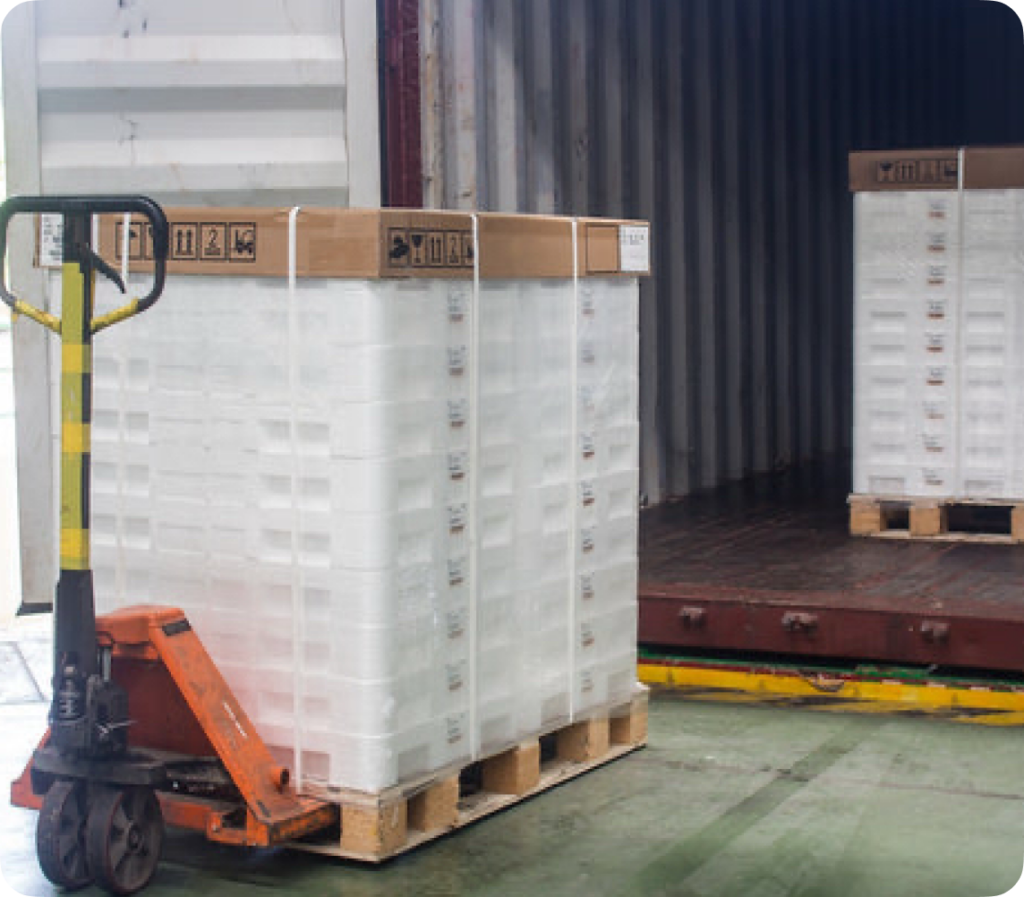
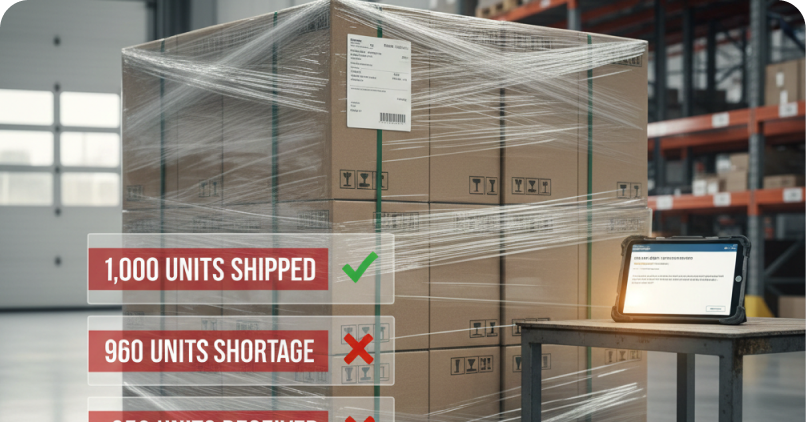
On a busy dock, a wrapped mixed pallet looks just like any other, until a shortage is reported. When quantities don’t match expectations, that pallet becomes the center of disputes and finger-pointing.
In reality, the item is usually on the truck, simply buried inside the load. These ‘short shipments’ aren’t a failure of effort; they are a failure of visibility.
To master Multi-SKU Pallet Shortage Prevention, operations must move from ‘assuming’ accuracy to ‘proving’ it with undeniable Shipping Proof.

Why mixed pallets cause so much confusion

Once wrapped, mixed pallets blend in. At ship time, everyone assumes they’re correct. At receive time, the same assumption holds, until something doesn’t add up.
The trouble starts when:
  • One SKU is missing
  • Quantities don’t match expectations
  • Nobody knows what the pallet looked like before it moved
Step 1: Apply Pallet Content Labels
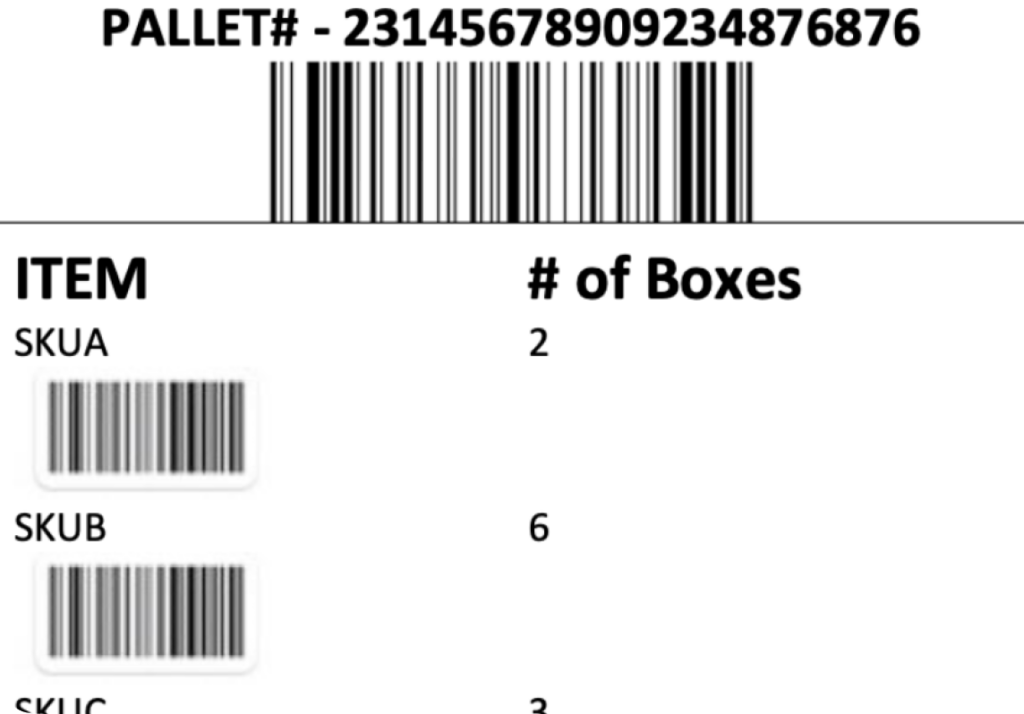
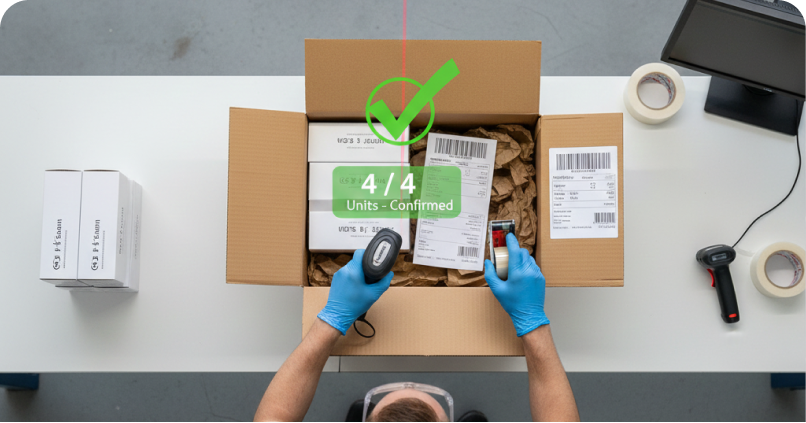
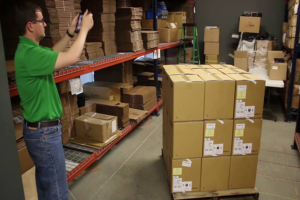
A pallet content label (sometimes called a pallet manifest) clearly lists the pallet ID, every SKU on the load, and the exact carton count for each item.  These Mixed Pallet Labels should be applied after the pallet is verified but before it leaves the staging area.
PRO TIP: The “Corner-Wrap” Rule
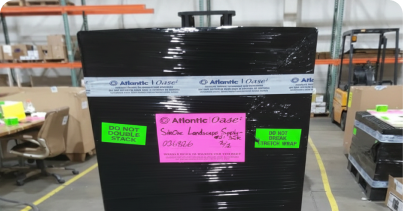
Apply your Mixed Pallet Labels to the corner of the pallet. This keeps barcodes visible from two sides, allowing teams to scan and verify contents without repositioning the load.
Step 2: Back the Label Up with Photo Documentation
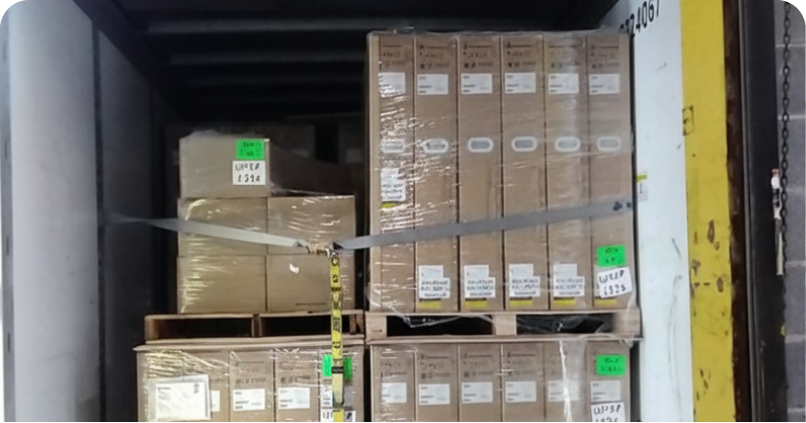
Labels tell the story in words; photos tell the story visually. To successfully defend against Freight Claims, a simple set of photos makes the difference:
PRO-TIP:  Proof Lives on the Pallet
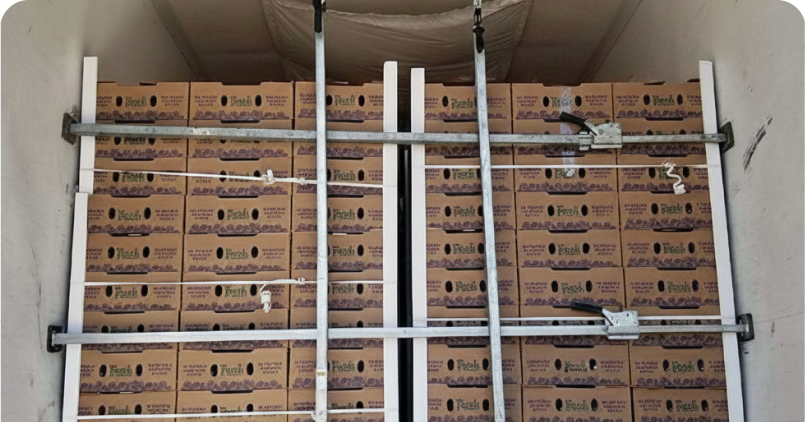
Capture one photo before the final stretch wrap and one after. The “before” photo confirms internal counts and SKU placement. The “after” photo provides definitive Shipping Proof that the pallet was secured properly and hadn’t been tampered with before transit.
Together, they create a visual record that’s hard to dispute.

What warehouse teams can implement immediately

This isn’t theory, it’s a practical, floor-level habit change.
Start with these steps:
1. Make pallet content labels mandatory for multi-SKU pallets

 No label, no ship.
2. Use a consistent label layout
Use the same format for all Mixed Pallet Labels to speed up receiving.
3. Train teams on the “why,” not just the “what”
When people understand how this prevents rework and reduces blame, adoption improves.
4. Capture photos as part of the shipping checklist
Treat it like checking trailer doors or recording seal numbers.
5. Review disputes as learning moments
Ask: Was a label applied? Were photos captured? What could have made this clearer?
Why this saves time instead of adding work
Clear labelling and basic photo documentation:
1. Fewer Arguments: Visual proof ends “it shipped short” discussions quickly.
2. Speed Up Receiving: The customer knows exactly what to expect, preventing them from breaking down the whole pallet to find one box.
3. Protect the Team: It shifts the focus from “who made a mistake?” to “here is the evidence.”
Trust, but Document
  • Most shortages aren’t caused by bad intent. They’re caused by missing context.
  • Mixed Pallet Labels provide clarity, while photos provide the Shipping Proof required to settle Freight Claims instantly. Together, they turn a recurring headache into a controlled, auditable process that protects your team and your bottom line.
  • Mixed Pallet Labels labels provide clarity, Photos provide the Shipping Proof.
Together, they turn mixed pallets from a recurring headache into a controlled, auditable process. And once teams see how much smoother things run, this best practice tends to stick, not because it’s required, but because it works.
Share this Article
Dive Deeper