


Proudly Located at the Advanced Tech Dev Center at Georgia Tech
OUR BLOG
How 3PLs can add more value to OEM and brand customers

Build Better OEM Partnerships with Outbound Shipment Visibility & Visual Proof

In third-party logistics, many operations encounter what is often referred to as the “black box” dilemma.
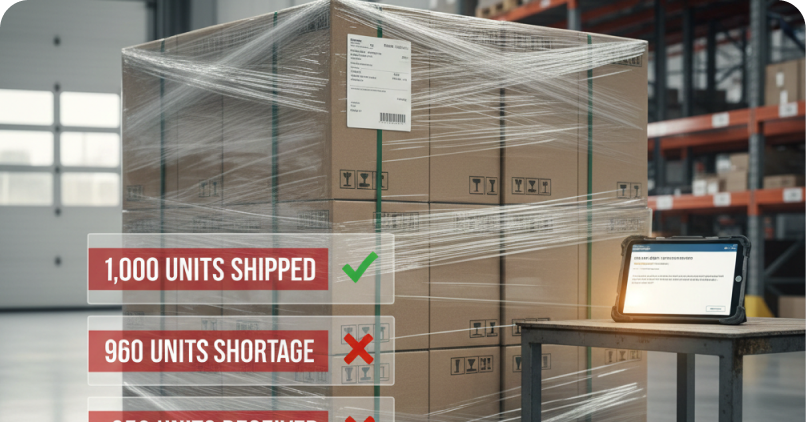
A particular kind of tension tends to emerge the moment a high-value shipment leaves the dock. For OEM and brand customers, that inventory remains a significant asset on their balance sheet. Yet once the load is sealed and marked “Shipped” in the WMS, outbound shipment visibility is often reduced without additional context.
The data exists, but confidence does not always follow.
Stakeholders may still ask: Was the load handled correctly? Were all components included? Did the shipment leave the facility in the expected condition?
Across the industry, one pattern is becoming increasingly clear: the strongest partnerships are not built on speed alone. They are built on trust, transparency, and financial confidence. That confidence is reinforced when 3PL outbound logistics are supported by clear, visual documentation of what left the dock.

The Limits of “Good Enough” Documentation

For decades, the Bill of Lading has served as the primary form of outbound proof. While essential, a signed document only confirms that a trailer arrived and departed. It does not reflect load condition, pallet completeness, or securement quality inside the trailer.
To close this gap, many operations have relied on fixed CCTV systems or ad-hoc photos taken on personal devices. These methods often fall short when supply chain visual proof is needed days or weeks later. Images that cannot be quickly located, linked, or verified offer limited value during claim reviews or customer inquiries.
In practice, proof that cannot be retrieved efficiently may not function as proof at all.

A Practical Best Practice: Sharing the “Outbound Reality”

Leading 3PLs are increasingly adopting a simple but effective operational practice: proactive outbound documentation. The idea is straightforward. A shipment is not fully complete until its condition and contents can be clearly verified. By capturing photos of the load exactly as it appears before trailer doors close, operations create a factual reference point that ensures outbound shipment visibility for all parties involved.
These images provide much-needed OEM logistics transparency by answering three questions that frequently arise during downstream reviews:
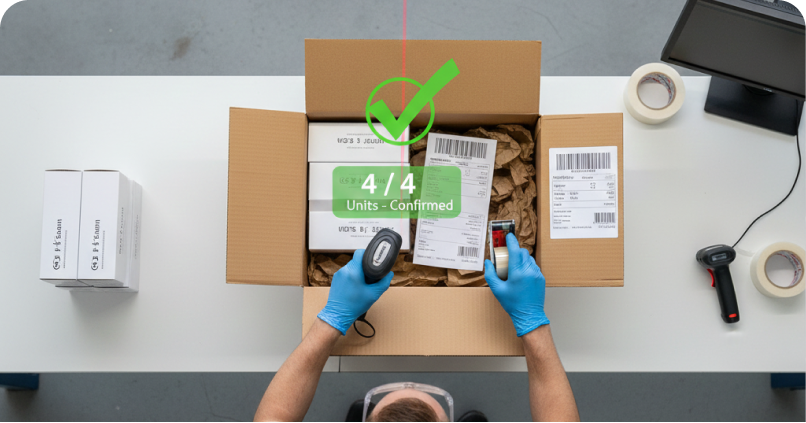
1. Completeness: Are all pallets and components accounted for?
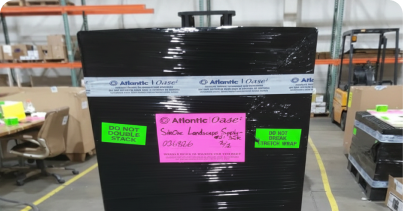
2. Condition: Is packaging intact, labelling visible, and material properly wrapped?
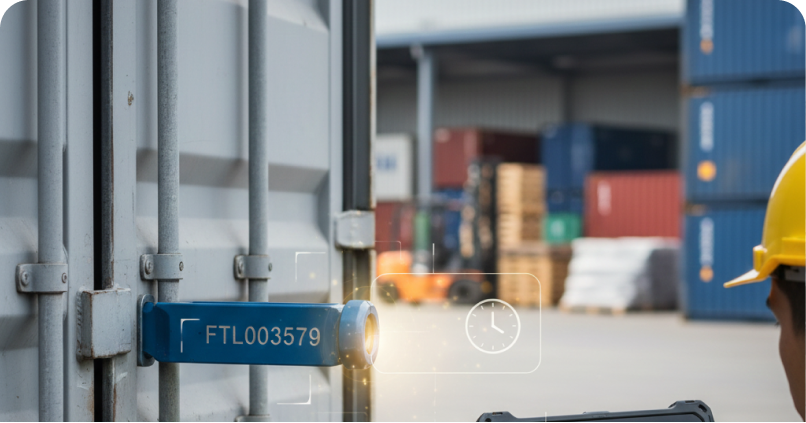
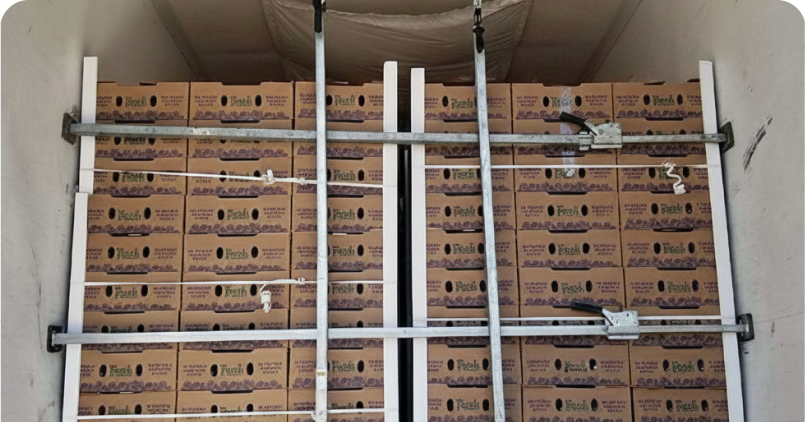
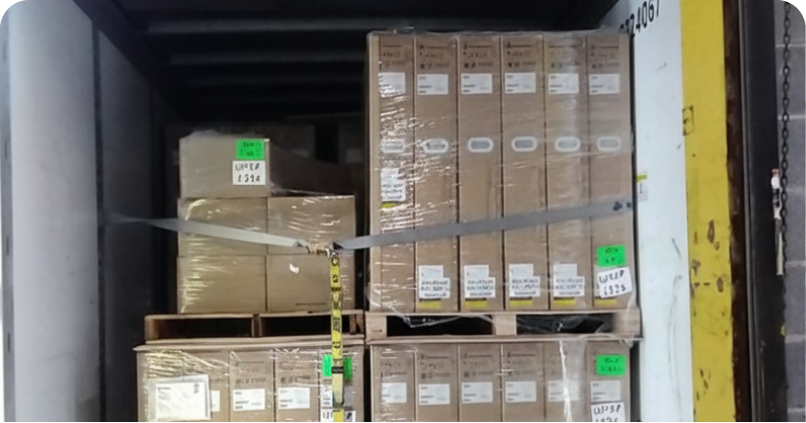
3. Securement: Is the load blocked and braced appropriately for transit?
When shared consistently, this supply chain visual proof reduces uncertainty and aligns expectations across manufacturers, 3PLs, and downstream partners.

Making Visual Documentation Actionable on the Dock

This approach does not require a major system overhaul, but it does depend on a repeatable process. Operations that implement visual documentation effectively tend to focus on a few consistent steps:
1. Capture the “Critical Three” Views
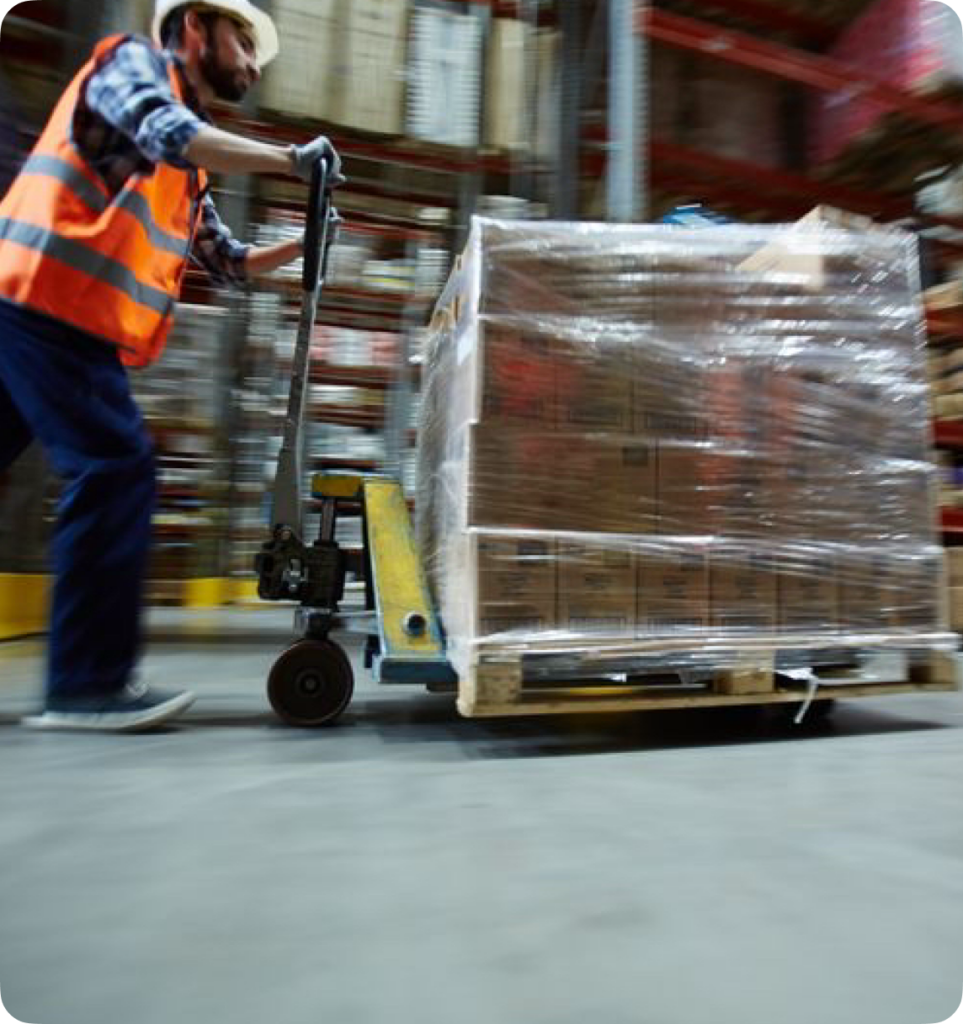
Documenting three perspectives covers the majority of future questions: individual pallet configuration with labels visible, the staged load prior to loading, and the fully loaded trailer with securement clearly shown.
2. Link Images to Shipment Records
Photos provide the most value when they are directly associated with an order number, shipment ID, or BOL. Fast retrieval ensures that outbound shipment visibility is searchable, enabling teams to respond to questions while conversations are still active.
3. Share Documentation Proactively
Rather than waiting for a dispute, elite 3PL outbound logistics providers share photos as part of routine shipment communication. This proactive approach to OEM logistics transparency helps reduce follow-up inquiries and builds confidence before issues arise.

One Last Look

Outbound processes often function well operationally, yet remain difficult to explain after the fact.
A useful question for any logistics operation is: If a shipment question arose tomorrow, how quickly could the outbound condition be shown clearly and objectively?
When the answer relies primarily on verbal explanations or assumptions, implementing supply chain visual proof offers a meaningful improvement. In many cases, adding value does not require changing how work is done, only making that work visible.
Share this Article
Dive Deeper