


Proudly Located at the Advanced Tech Dev Center at Georgia Tech
OUR BLOG
Perform trailer inspection using Photos

The Non-Negotiable Rule for Warehouse Operations Efficiency

In the high-stakes world of logistics, warehouse operations efficiency is often defined by how fast we can turn a door. We celebrate the “clear dock” and rapid turnaround. But there is a hidden predator that eats margins and destroys reputations: the assumption of quality.
Before loading the next trailer, take a moment to pause. 
A quick, 60-second trailer inspection process, conducted before the first pallet goes in, can make a measurable difference in your bottom line. In fast-moving environments, this minute is often skipped to meet KPIs, but the tradeoff usually comes later in the form of costly rework and claims.

Why a Consistent Trailer Inspection Process Protects Speed

In many facilities, quality control steps are viewed as obstacles. In reality, they are a cornerstone of dock safety and operational health. When inspections are skipped, teams exchange one minute of prevention for hours of administrative “firefighting.”
A standardized routine is the most effective tool for freight damage prevention. It eliminates uncertainty and keeps your team focused on moving freight forward instead of investigating what went wrong.

The ROI of Preventive Trailer Inspections

A brief comparison of where one minute of prevention often saves hours of follow-up later.
The 60-Second Check
Why It Matters
Time invested: 1 minute
Time spent later: 4+ hours
Action: Quick visual walk-through with timestamped photos.
Action: Managing damage claims and investigation emails.
Focus: Identifying visible risks before loading.
Focus: Reconstructing events after delivery.
Outcome: Clear, professional handoff.
Outcome: Rejected freight and strained customer trust.
The Real Cost of Skipping Trailer Checks
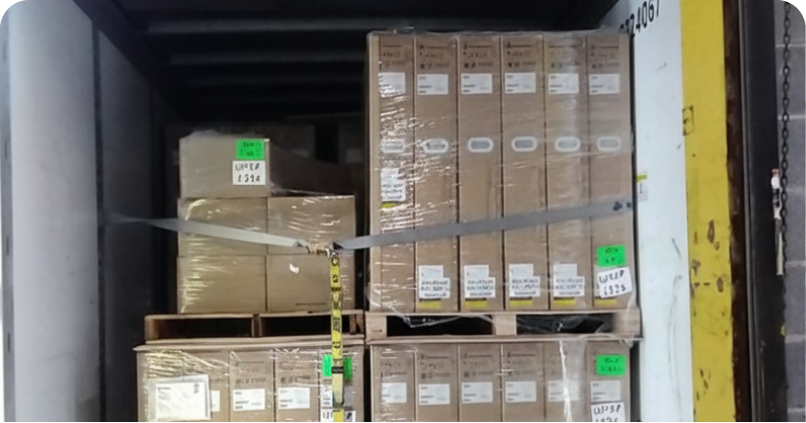
A trailer is the final environment your freight experiences before reaching the customer. Issues like cracked floors, moisture, odors, or loose debris directly impact product condition.
Failing to document trailer condition creates dangerous blind spots. When damage is discovered at the destination, it becomes nearly impossible to prove when it occurred. This leads to disputes and forces your team to defend their work rather than focusing on service. This is why a standardized check is one of the most vital logistics best practices.

A Practical Checklist for Dock Safety and Quality

To maximize warehouse operations efficiency, the goal isn’t to slow down the dock; it’s to build a repeatable, high-standard habit. Use this trailer inspection checklist to protect your cargo and streamline your trailer inspection process:
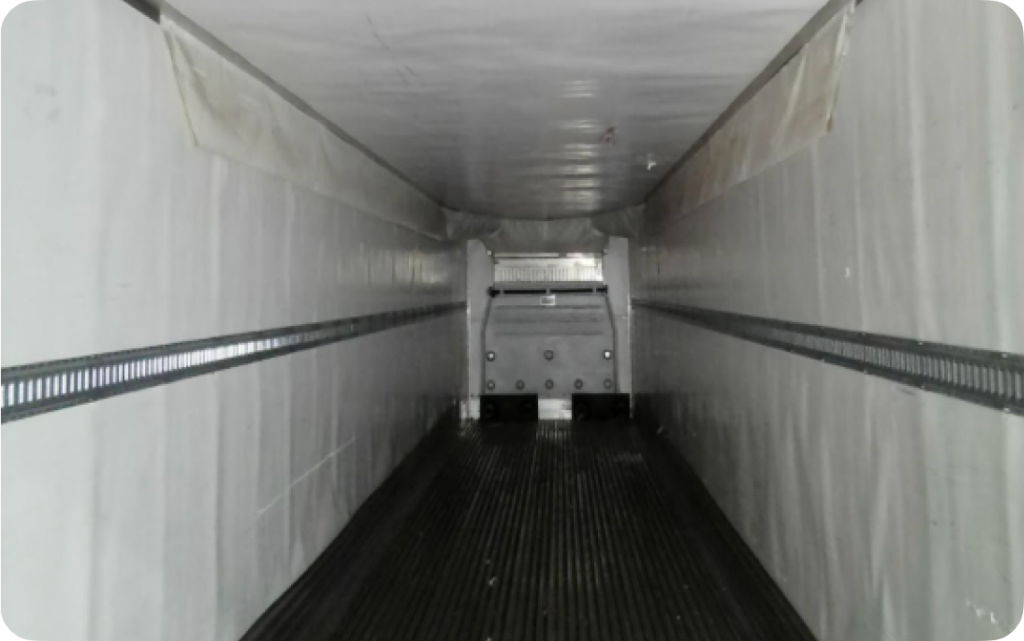
1. Structural Integrity: Perform a quick walk-through to check floors for cracks, walls for damage, and ceilings for “daylight” leaks. Inspect doors, seals, and load bars, consistency is the key to freight damage prevention.
2. Cleanliness & Odors: Ensure the interior is clear of debris, nails, or lingering odors from previous loads (such as chemicals or produce) that could lead to product rejection.
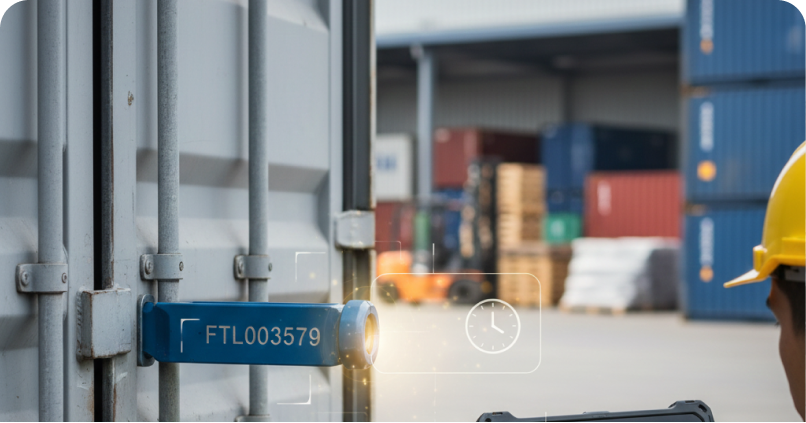
3. Safety & Equipment: Verify the condition of doors, hinges, and locking mechanisms to maintain high dock safety standards for both the loader and the driver.
4. Visual Documentation: Capture a timestamped photo of the empty trailer. This provides vital liability protection and serves as a digital record for your warehouse operations management.
Improving Supply Chain Visibility
Visibility across handoffs is a major challenge in modern logistics. A trailer may pass through multiple facilities and carriers before final delivery. Without clear, visual documentation, you are relying solely on memory.
Digital documentation creates a shared understanding. It reduces ambiguity and helps resolve issues faster, improving accountability without pointing fingers. When everyone sees the same information, conversations become calmer and more productive.

Conclusion

Strong warehouse operations efficiency isn’t built on complex software alone; it’s built on the discipline of the “small pause.” By making the trailer inspection process a non-negotiable standard, you move your team from a reactive state to a proactive one. Don’t wait for a major claim to realize the value of prevention. Start the 60-second rule today, secure your freight, and ensure that your dock remains a place where speed and quality coexist.
Share this Article
Dive Deeper