








Proudly Located at the Advanced Tech Dev Center at Georgia Tech
OUR BLOG
Perform Outbound Loading Training using Photos

Stop Writing Manuals: Use Photos to Train a Faster, Safer Loading Team

Warehouse operations are fast-paced, high-stakes, and unforgiving. One misstacked pallet or poorly secured shipment can lead to damaged goods, frustrated customers, and lost revenue. So how can you train employees to get it right every time?
The answer lies in visual evidence. Simple pictures, used strategically, can revolutionize loading procedures. Companies are using visual documentation to improve accuracy, efficiency, safety, and confidence on the warehouse floor.

Why Visuals Outperform Words in Warehouse Training

Imagine choosing between a 10-page PDF on pallet stacking or a crisp photo series showing the ideal load from every angle. Pictures bridge the gap between theory and reality, turning abstract rules into tangible references. They reduce cognitive load, boost retention by up to 65%, and eliminate risky trial and error on live shipments.
For loading procedures handling LTL, FTL, hazmat, or mixed pallets, visuals highlight nuances like weight distribution, strap tension, and barcode alignment.
Step 1: Build Image-Based Documentation
Start by documenting every critical action to improve logistics efficiency:
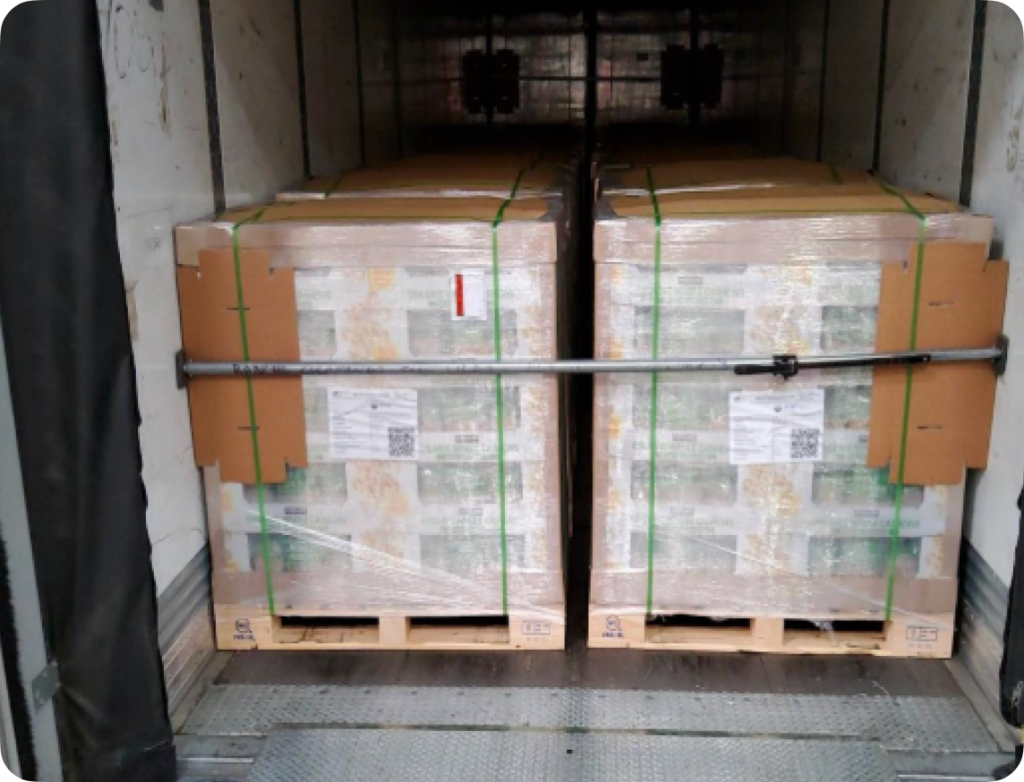
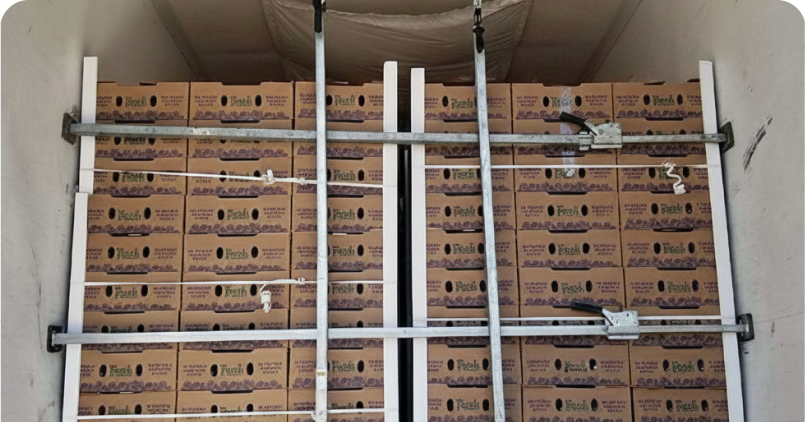
1. Sequential Visuals: Step-by-step photos of pallet selection, load securing, scanning, and shipment documentation.
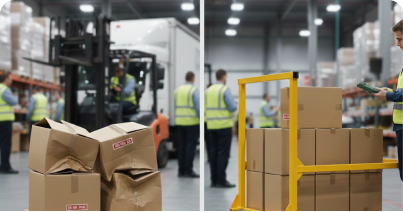
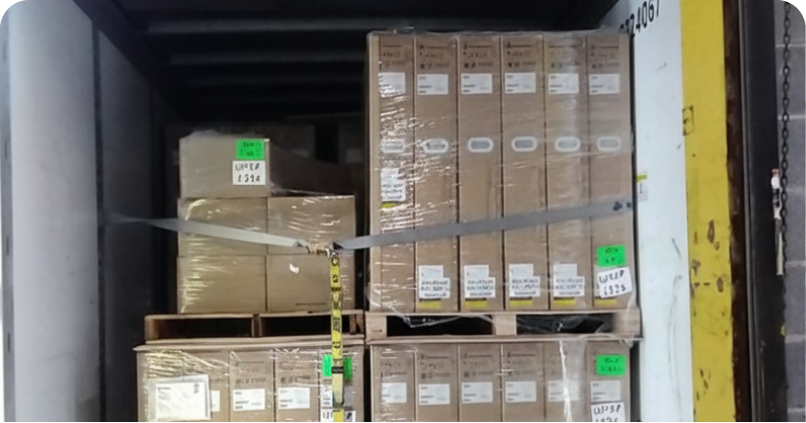
2. The Power of Contrast: Before-and-after comparisons showing what a poorly stacked pallet looks like versus a perfectly loaded one.
3. Safety First: Equipment usage images to highlight correct forklift handling and scanner use.
Pro Tip: Use mobile devices for quick captures and store them in a cloud-based system. This becomes the “gold standard” reference for employees mid-shift.
Step 2: Turn Visuals into Training Modules
Make the training interactive and easy to follow:
1. Categorize by Shipment: Compile photos into scenario-based guides for LTL, FTL, or hazardous materials.
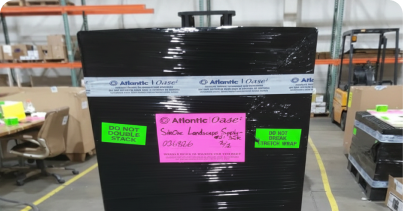
2. Add Video Elements: Use short clips for dynamic actions, like how to properly wrap a pallet with stretch film.
Actionable Checklists: Create photo-checklists for pre-load and post-load inspections.
Step 3: Hands-On Training With Visuals
Theory alone isn’t enough; employees need to practice while referencing visuals. This is a core component of effective loading procedures:
1. Direct Replication: Trainers demonstrate tasks using visual evidence, then employees replicate them.
2. Scenario Analysis: Present complex loading situations through photos and ask trainees to identify the correct next step.
3. Error Identification: Highlight common mistakes (overloading, misplacing items) and let employees solve them in practice exercises.
Step 4: Leverage Language Neutrality & Continuous Feedback
In a modern warehouse, information must flow quickly across diverse teams:
1. Break the Language Barrier: Photos are a universal language. Visual training allows you to onboard a multilingual workforce effectively without the need for constant translation or complex manuals.
2. The Real-Time Feedback Loop: Don’t let your training become stagnant. When a loading error occurs on the dock, photograph it (anonymously) and add it to the training deck as a “lesson learned.”
3. Crowdsource Excellence: Encourage veteran loaders to photograph their “perfect loads” to share as examples of excellence for the rest of the team.

The Results Speak for Themselves

Companies implementing visual evidence for their loading procedures experience:
1. Reduced Damaged Goods: Clearer standards lead to better-secured freight.
2. Faster Onboarding: New hires reach “peak productivity” in days rather than weeks.
3. Improved Safety Compliance: Visual cues reduce equipment misuse and accidents.
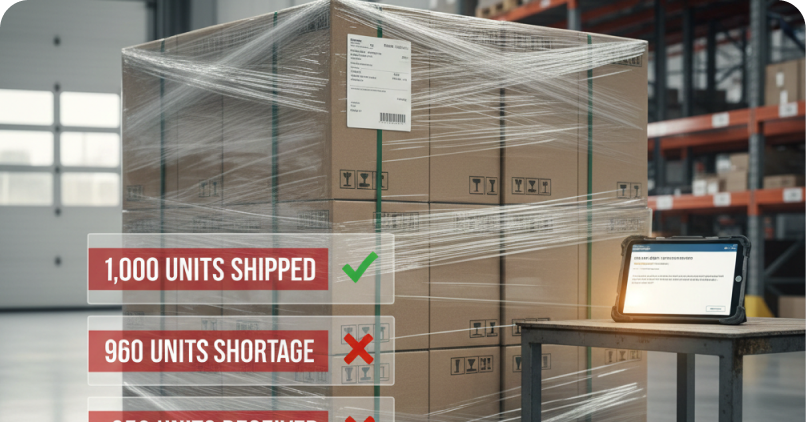
4. Liability Protection: Photos provide a “digital paper trail” that proves shipments left your dock in perfect condition.

Final Thought

In today’s supply chain, every pallet counts. By turning outbound loading training into a photo-driven, hands-on experience, you empower employees to perform better, safer, and faster. It’s simple, visual, and incredibly effective, the kind of training employees actually remember and apply every day.
Share this Article
Dive Deeper