







Proudly Located at the Advanced Tech Dev Center at Georgia Tech
OUR BLOG
Perform Inbound Quality Audit / Vendor Performance, Assign Rating using Photos

Warehouse Receiving Best Practices: The Inbound Quality Audit

Why slowing down at the receiving dock actually speeds up your warehouse

It sounds counterintuitive. In a world obsessed with dock-to-stock speed, why would any warehouse want to slow down and inspect inbound pallets?
Yet industry data continues to show that rushing the “front door” is one of the leading causes of phantom inventory, downstream bottlenecks, and avoidable rework. While speed is a core element of warehouse receiving best practices, it should never come at the expense of accuracy.

The Hidden Cost of “Reactive” Receiving

Inbound quality issues rarely announce themselves at the door. They surface downstream: during putaway, picking, cycle counts, or worst of all, when a customer order ships incorrectly. Without visual documentation in warehousing, accountability turns into guesswork.
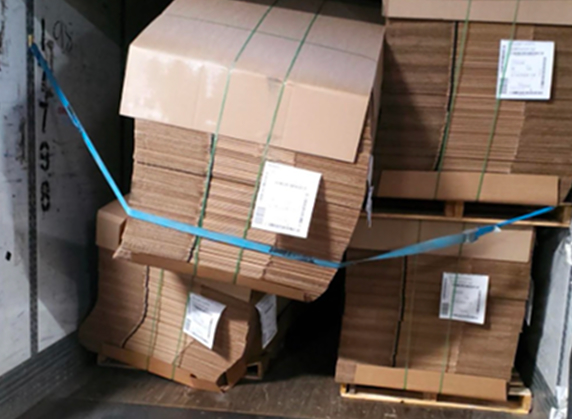
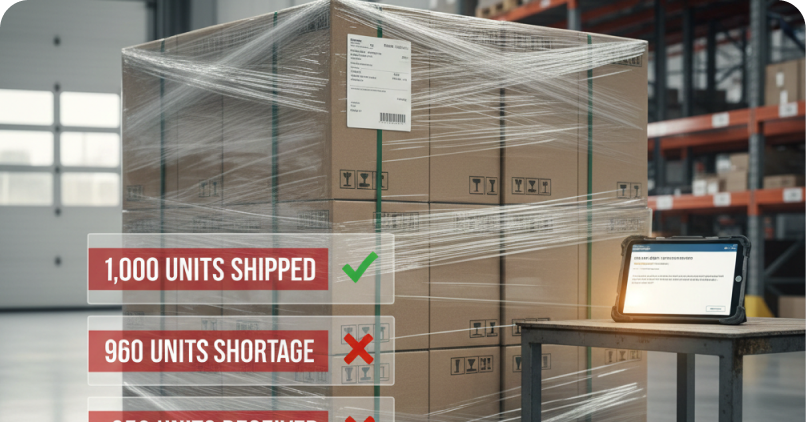
The truck arrives, the paperwork looks fine, and the pallet is unloaded. Everything seems normal until hours later when someone finds crushed cartons, unstable stacking, or missing cases buried in the middle of the load. By then, the driver is gone, the claim is nearly impossible to prove, and the cost of the error has tripled.
Anyone who has spent time in a distribution center knows the truth: the health of your entire operation is decided at the receiving dock. That’s why the most effective way to protect your margins is to perform an inbound quality audit and rate your vendor performance rating using visual evidence.

Best Practice: The Inbound Quality Audit

An inbound quality audit isn’t about slowing your team down; it’s about making quality visible, measurable, and repeatable. Instead of relying on memory or incomplete paperwork, pallets are evaluated against consistent standards the moment they arrive.
Visual documentation in warehousing turns a subjective “gut feeling” into an objective data point. Here is a five-step framework to strengthen your inbound process:
1. Capture the “First Look”
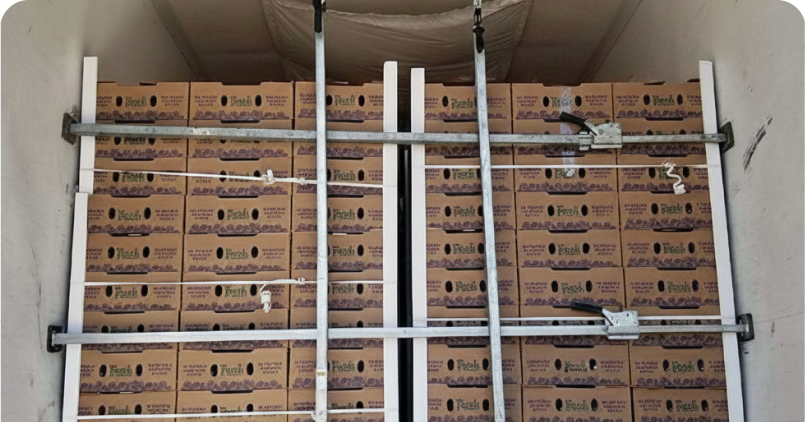
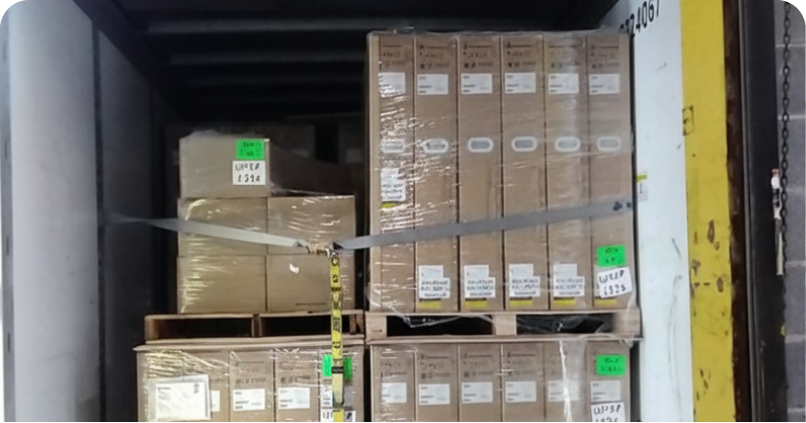
Before pallets move into racking, document the condition of the load. Recording what arrives at the dock establishes a clear baseline before handling or put away can introduce new variables. This first visual record becomes the foundation of your inbound quality audit.
2. Standardise Objective Quality Criteria
Consistency across shifts is important. Set clear standards for every inbound shipment:
i) Packaging Condition: Check for torn boxes, water damage, or crushed cartons.
ii) Load Stability: Look for leaning or poorly stacked pallets that could tip or collapse.
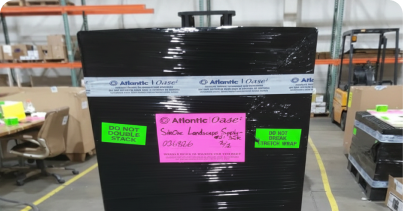
iii) Label Quality: Make sure barcodes are present and can be scanned properly.
3. Implement a Vendor Performance Rating
Treat each inbound shipment as a data point. Assign a basic vendor performance rating based on packaging, stability, and labelling. Over time, patterns emerge:
i) Which vendors consistently ship clean, stable pallets?
ii) Which suppliers create rework through packaging issues?
iii) Which lanes or locations generate the most inbound exceptions?
4. Use Evidence in Vendor Conversations:
When quality discussions are backed by visual documentation in warehousing, the tone changes. Instead of a “he-said, she-said” debate, conversations become data-driven. It becomes easier to support chargebacks for rework, align on packaging standards, and resolve claims quickly.
5. Close the Loop:
Accountability only works when feedback is consistent. Use your inbound quality audit data to acknowledge improvements or escalate persistent issues with procurement. This is how a vendor performance rating becomes a tool for long-term operational improvement.

How Visibility Improves Warehouse Operations

Implementing an inbound quality audit as part of your warehouse receiving best practices strengthens the entire operation:
1. Safety: Fewer leaning pallets = fewer warehouse accidents.
2. Financial Protection: Clear photo evidence = fewer denied claims and chargebacks.
3. Efficiency: High-quality inbound loads move through put away faster.
Final Thought: Make the Work Visible
Perfect inbound pallets don’t happen by accident. They happen when quality is inspected, documented, and measured consistently. When operations move from “we received it” to “this is exactly how it arrived,” receiving becomes clearer, fairer, and more efficient.Sometimes, the biggest improvement in a warehouse doesn’t come from adding more rules. It comes from making the work visible through a robust inbound quality audit.
Share this Article
Dive Deeper