


Proudly Located at the Advanced Tech Dev Center at Georgia Tech
OUR BLOG
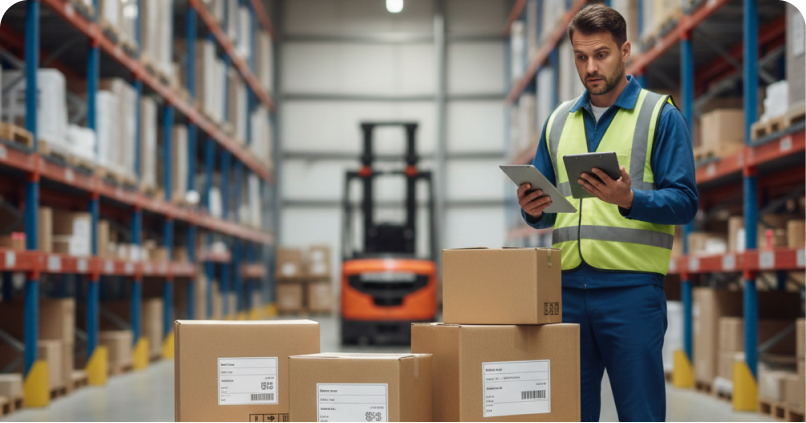
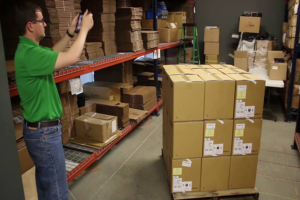
Perform GEMBA walk using Photos

Gemba Walks for Warehouse Efficiency and Process Improvement

The most dangerous place to run a warehouse is from behind a desk.

It’s tempting to manage by numbers alone. Reports can highlight when something is off, but they rarely explain why. The real story isn’t in the spreadsheet, it’s on the floor. To understand the true source of a problem and drive warehouse efficiency, leaders have to go see it for themselves. This is the value of a Gemba walk.
“Gemba” is a Japanese term meaning “the real place.” In distribution center operations, it refers to stepping away from the screen and into the thick of the action, walking the docks, aisles, and work areas where the real work happens. It’s there that hidden constraints, small inefficiencies, and everyday workarounds become visible. What looks like a performance issue on a dashboard often turns out to be a layout problem, a sequencing issue, or an unclear standard on the floor.
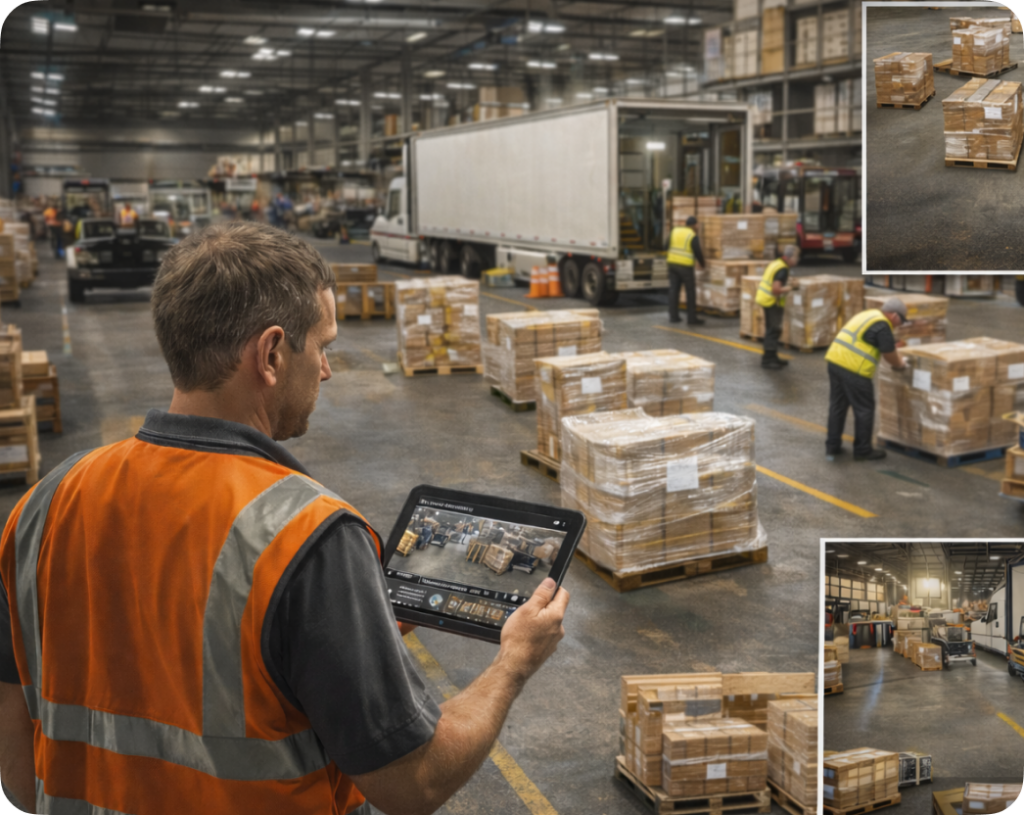
When photos are captured during these walks, insight becomes even clearer. Visual records turn observation into evidence, helping you identify patterns, explain issues, and support process improvement that lasts. Managing the numbers will always matter, but seeing the real process in action is what drives meaningful change.

Distinguishing Between People Problems and Process Failures

Here’s a situation many operations teams will recognize: loading times start slipping. Pallets aren’t moving like they used to. At first, it’s easy to assume the team isn’t keeping up. But often, what looks like a people problem is really a process problem.
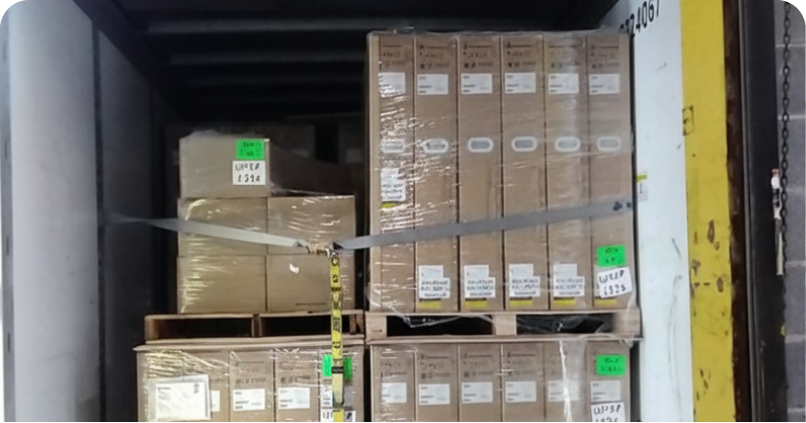
During a simple Gemba walk on the dock, a supervisor noticed something important. Pallets were staged in different directions with no clear order or consistent system. Loaders were walking extra distances, turning heavy pallets, and searching for the right freight. Those extra seconds added up quickly, quietly draining warehouse efficiency.
Here was the turning point: by taking a few photos of the staging area, the supervisor could clearly see what was happening. It wasn’t about placing blame, it was about understanding the process. The images made the issue visible, making it easier to adjust the layout and restore flow.

Why Photos Make Gemba Walks More Effective

Think of photos as a visual notebook for your distribution center operations. They turn fleeting observations into objective evidence:
1. Show, don’t tell: Problems become clear to everyone.
2. Spot patterns: One issue might be random; repeated ones reveal a trend.
3. Track progress:  Before-and-after photos confirm whether process improvement changes actually worked.
4. Improve training: Visual standards help teams understand what “right” looks like.
Instead of relying on memory or assumptions, teams gain a shared, factual view of what is happening on the floor.
A Simple 6-Step Gemba Walk Plan(Try This Now!)
1. Pick one area –  Choose a single focus: loading, picking, packing, or staging.
2. Observe first – Stand back. Observe. See where people pause, walk extra, or look frustrated.
3. Capture what you see –Take pictures of anything that looks messy, inefficient, or unsafe.
4. Identify waste – Look at your photos. Ask: Where is time being lost? What looks inconsistent?
5. Make one small change – Don’t overcomplicate it. Adjust layout. Label something. Simplify a step.
6. Follow up – Return in a few days. Take new photos. Did it work? Great. If not, adjust.
This approach keeps process improvement practical, repeatable, and grounded in real conditions
Turning Photos into Lasting Improvement
Taking photos is only the first step. The real value comes from how those images are used to optimise distribution centre operations:
1. Create visual standards: Keep “best practice” photos that show how staging, loading, or picking should look. These become quick reference guides for the team.
2. Support consistent training: New hires learn faster when they can see real examples instead of relying only on written instructions.
3. Drive continuous improvement: Compare photos over time to see whether changes actually reduced motion, improved flow, or eliminated confusion.
4. Build shared accountability: When everyone can see the same reality, conversations focus on fixing the process—not assigning blame.
Photo documentation gives teams a common language. Instead of debating what happened, everyone can see it, understand it, and improve it together.

Make It a Habit

Make Gemba walks a regular habit weekly or biweekly and involve leads and supervisors while encouraging teams to point out what isn’t working. Over time, issues become easier to see and easier to fix before they grow into bigger problems. Warehouse efficiency can’t be improved from behind a desk; real progress comes from going where the work happens, observing how processes truly operate, and sometimes capturing what you see so evidence can guide better decisions. See the real work, solve the right problems, and keep improving one walk at a time.
Share this Article
Dive Deeper