



Proudly Located at the Advanced Tech Dev Center at Georgia Tech
OUR BLOG
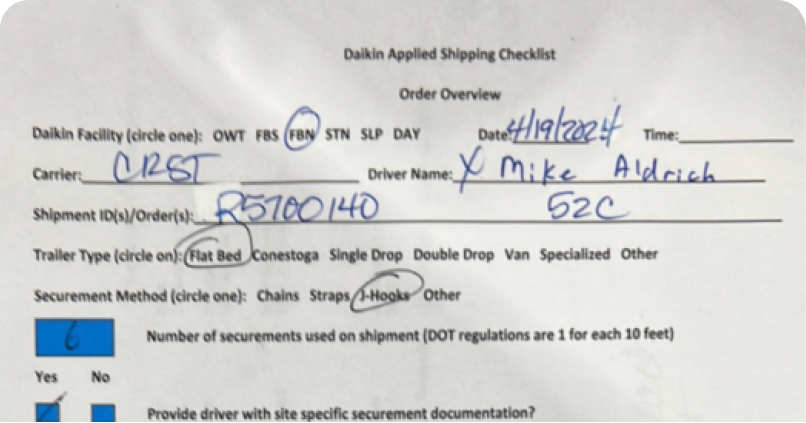
Flat Bed Truck Shipping Check List – Document this with photos

Essential Flatbed Load Securement for High-Value Freight Shipping

Essential Flatbed Load Securement for High-Value Freight Shipping

High-value shipments like HVAC units, industrial machinery, or delicate construction equipment, create headaches long before they reach a construction site. One missed step, a poorly secured load, or a lack of documentation can instantly turn a routine delivery into a dispute, delayed project, or financial loss.
Here is the essential lesson from the warehouse floor: the key to preventing final-mile damage isn’t just about the destination; it’s about pre-emptive, non-negotiable standards enforced the moment the equipment leaves your control. This is fundamental to effective shipper liability protection.
When High-Value Freight Shipping relies on open carriers like flatbed trucks, the risk increases immediately. Once damage is discovered at a construction site, it’s often too late to determine when or how it happened. The most effective way to reduce this risk is to standardize how responsibility is transferred. Over time, one best practice has proven essential for robust Freight Integrity Verification: pairing a mandatory shipping checklist with clear photo documentation.

The Best Practice: The Checklist and the Camera

This two-part system is the core of effective Flatbed Load Securement and requires two mandatory tools to create an irrefutable chain of evidence: a physical Shipping Checklist and high-resolution Photo Documentation.
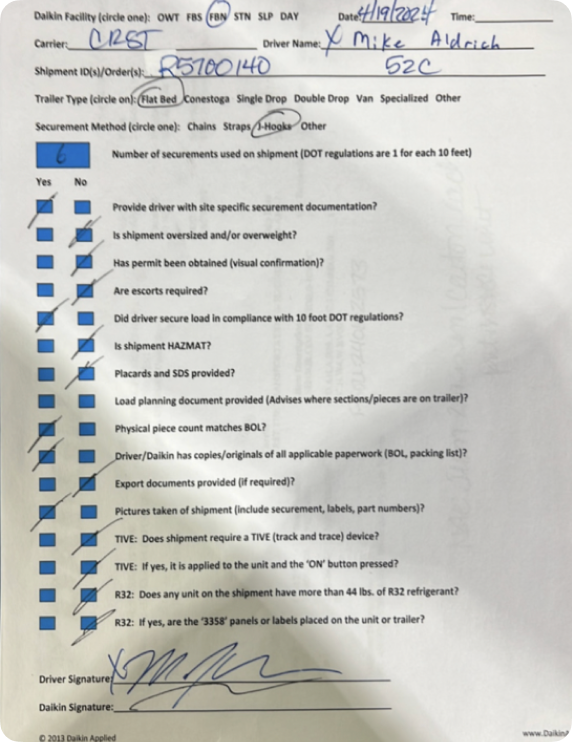
1. The Mandatory Flatbed Checklist: Proof of Process
This document is your team’s shield, proving that critical safety and integrity steps were not skipped. The checklist forces the loading crew and the driver to pause, verify, and sign off on details that prevent transit damage.
Critical Checklist Item (The Action) Why It Matters (The Expert Insight)
Load Alignment
Confirms the equipment is loaded exactly as required (e.g., “This Side Up”). Misalignment is the number one cause of shifting and transit damage.
Securement Verification
Proves the correct number and type of straps/chains were used for the load’s weight. Ensures corner protectors were used to prevent securing devices from cutting into the freight, supporting Flatbed Load Securement standards.
Permits and Regulations
Confirms the driver has all necessary permits and that securement complies with all DOT and legal regulations for the load’s size/weight.
Driver Check & Sign-Off
The driver’s signature confirms they accept custody of the freight in its secured, current condition, thereby shifting liability for transit damage away from your loading crew, ensuring crucial Shipper Liability Protection.
When a claim arises, your signed checklist confirms that the correct process was followed, which is vital for Freight Integrity Verification.
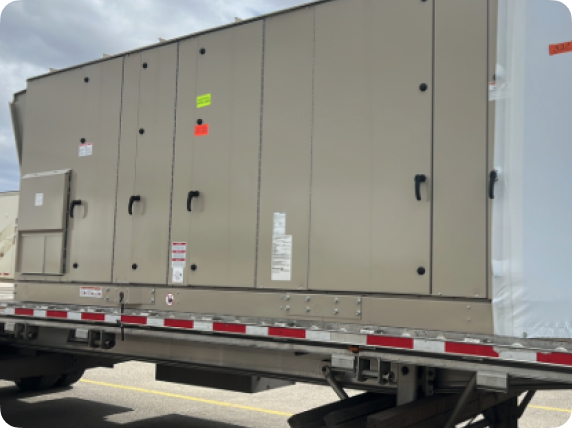
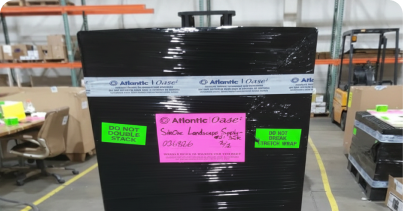
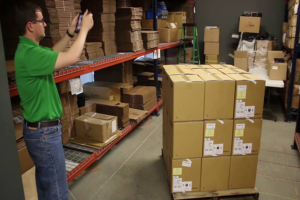
2. The Photo Documentation: Proof of Condition While the checklist proves the work was done, the photos provide the non-negotiable visual evidence of the freight’s condition. For High-Value Freight Shipping, your camera is the most important tool you own.

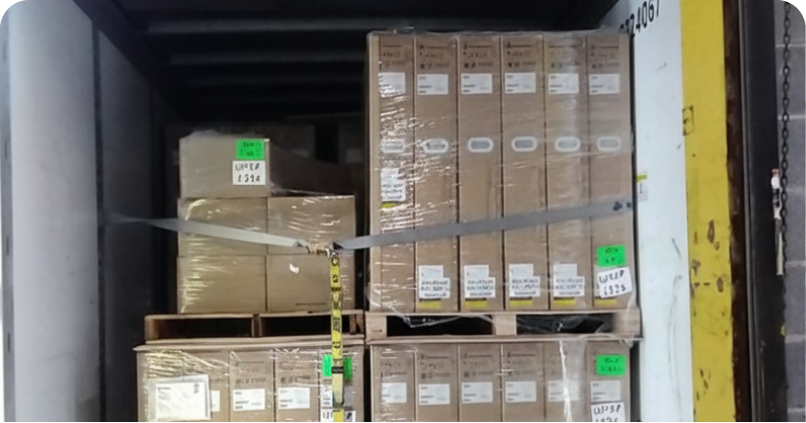
Before the wheels roll, capture visual proof of the equipment’s integrity and final securement:

  • The Four Sides: Clear photos proving the equipment itself was pristine, wrapped, and undamaged at the moment of transfer.
  • Close-Ups of Tie-Downs: Detailed shots proving that chains, straps, and protective dunnage were applied correctly according to safety and Flatbed Load Securement standards.

These timestamped photos are your digital shield. If a unit arrives on site with damage, your team can immediately share visual evidence that the dent or scratch did not exist upon transfer, short-circuiting the claim process and reinforcing your Shipper Liability Protection.

Practical Takeaway & Benefits

This two-step system is about improving accountability and Freight Integrity Verification. By making the Checklist and Photo Documentation mandatory, you achieve benefits far beyond dispute prevention:
  • Improved Accountability: Everyone knows the standard procedure and can follow it consistently.
  • Faster Issue Resolution: Photos and checklists provide immediate evidence, reducing back-and-forth communication. Client Trust: Customers recognize the transparency and professional handling of their High-Value Freight.
High-Value Freight Shipping will always carry risk. But simple steps—a thorough checklist and visual documentation—turn that risk into manageable, controlled operations. This ensures shipments arrive at the construction site exactly as intended.
Share this Article
Dive Deeper