


Proudly Located at the Advanced Tech Dev Center at Georgia Tech
OUR BLOG
Document Inbound Container Damages Using Photos and Share Photos with Your Vendor

The Essential Guide to Inbound Container Damage Documentation

When inbound containers arrive at your facility, hidden or visible damage may already exist. If these issues are not documented immediately, your business may be held responsible for damage that occurred long before the container reached your dock. Inbound container damage documentation is mandatory for any resilient operation, serving as the primary defence for your inventory integrity and professional reputation.
The Risks of Neglecting Container Inspections
Failing to document container damage creates avoidable risk. Ignoring this step leads to serious operational and financial problems:
  • Ambiguous Liability: When container condition is not documented upon receipt, responsibility for damage becomes unclear, increasing the likelihood of disputes with carriers and vendors.
  • Denied or Delayed Claims: Claims are frequently rejected when adequate Photo Evidence for Claims is not available to demonstrate the container’s condition at the point of handover.
  • Cargo Loss and Quality Risk: Structural issues such as dents, holes, compromised doors, water ingress, or floor damage can directly impact cargo integrity, leading to product loss or quality degradation.
Strained Vendor Relationships: Lack of transparency and objective evidence can erode trust and complicate resolution discussions with vendors and logistics partners.

Establish Inbound Container Damage Documentation as a Mandatory Standard

Documentation should be a formal control within your receiving process. The objective is to create time-stamped visibility that supports accountability.
1.Document Container Exterior at Arrival
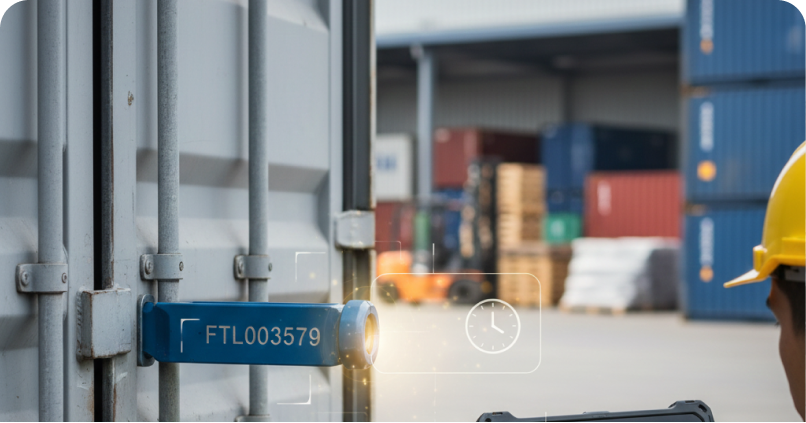
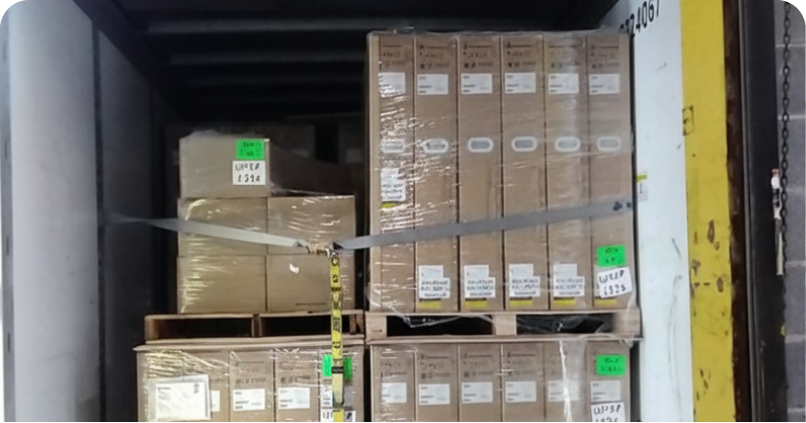
Immediately upon arrival, the container exterior should be photographed. All sides must be captured, highlighting dents, punctures, or corrosion. Capturing container numbers and seals at the point of receipt ensures Vendor Damage Visibility from the very start.
2. Photograph the Interior Before Cargo Handling
Before unloading, capture wide-angle photos of the walls, ceiling, and flooring. Evidence of rust or contamination should be recorded. This strengthens the quality of your Photo Evidence for Claims by linking the container’s condition directly to the cargo.
3. Record Detailed Evidence of Identified Damage
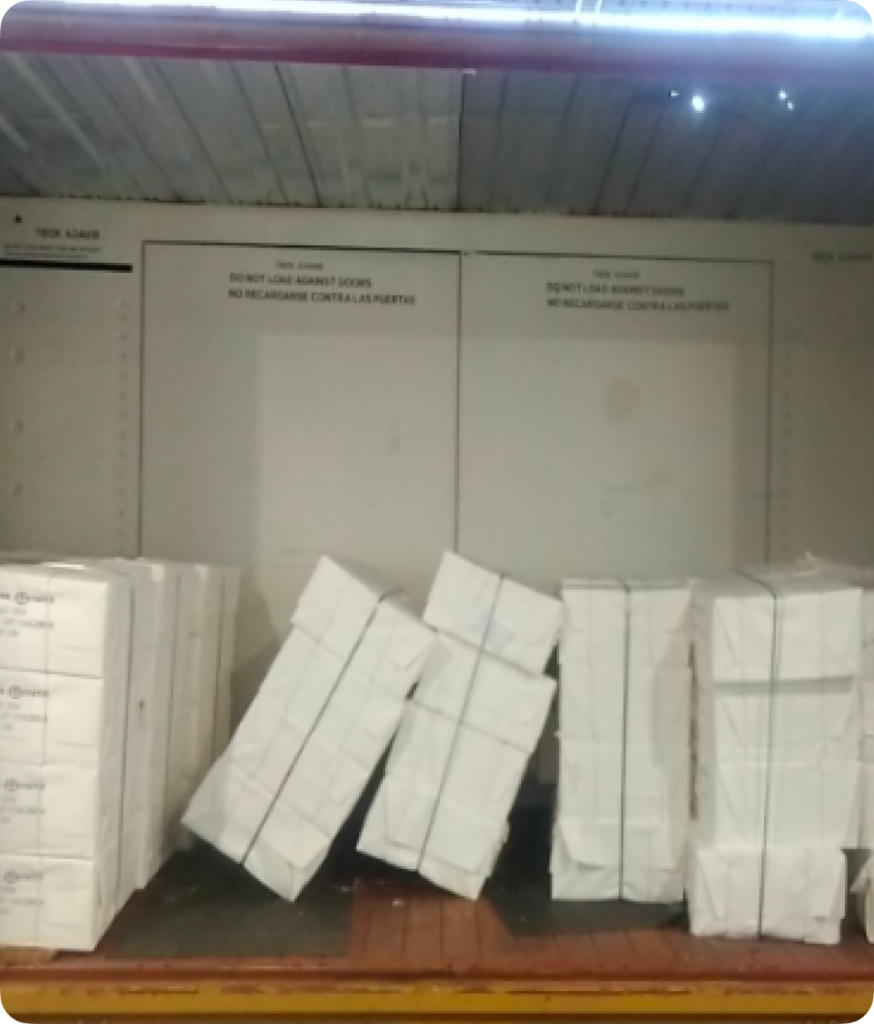
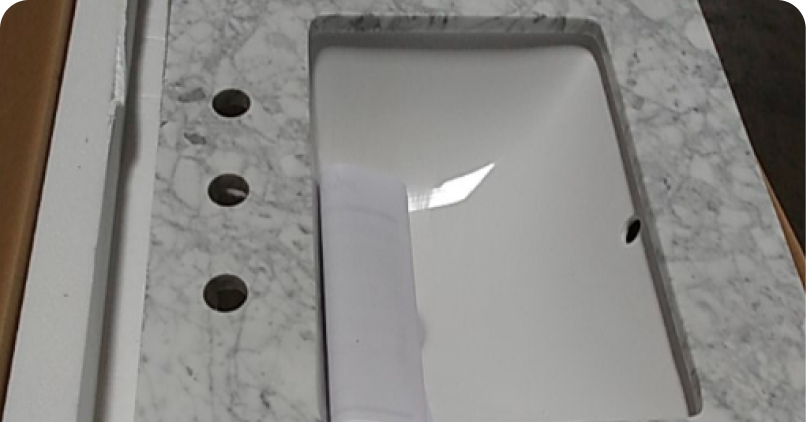
When specific damage is observed, take close-up photographs from multiple perspectives. Clear, well-lit images provide indisputable evidence, which is the core of effective Inbound Container Damage Documentation. This detail significantly reduces the likelihood of disputes.
4. Share with Your Vendor Immediately
  • Determine the preferred communication method: Confirm with your vendor how they prefer to receive damage claims.
  • Send the Complete Package: Share the comprehensive report and photos as soon as possible to ensure Vendor Damage Visibility.
  • Follow Up:Confirm that the vendor received the documentation and ask for the next steps in their claims process. Retain your records: Keep a copy of all reports and photos for your own internal records and potential future reference.

Final Consideration: Visual Evidence as a Risk Management Tool

Inbound containers are exposed to continuous handling across global logistics networks, which increases the probability of damage prior to arrival. By standardizing inbound container damage documentation, organizations create an objective, defensible record of the container’s condition at receipt.
Photographic evidence is not merely operational documentation; it serves as a critical risk management instrument. When consistently applied, it safeguards financial interests, supports fair claims resolution, and strengthens trust across the supply chain.
Share this Article