


Proudly Located at the Advanced Tech Dev Center at Georgia Tech
OUR BLOG
Document Condition of Return

The Smart Way to Document Damaged Customer Returns in Reverse Logistics

The Smart Way to Document Damaged Customer Returns in Reverse Logistics

When you specialize in managing product returns, whether for warranty repair, liquidation, or resale, you know the challenges are often greater than forward shipping. The most persistent and expensive issue is the arrival of products with unexplained or undocumented damage.
A core principle of effective reverse logistics is maintaining an accurate chain of custody. When a return arrives at your returns management facility (RMF), and the packaging is compromised, or the product is clearly damaged beyond the reason for the original claim, you have an immediate financial risk.
You can’t effectively process warranty claims or file necessary carrier insurance claims without irrefutable proof. This is where a simple, non-negotiable best practice becomes your most powerful asset: Implement a mandatory visual documentation protocol, photos, and videos, for every inbound return shipment.

The High Cost of Ambiguity in Returns Management

In high-volume operations, “mystery damage” leads directly to budget erosion:
  • Denied Carrier Claims: If a return is physically damaged due to transit mishandling, your transportation budget takes a hit. Without a timestamped photo of the exterior damage before the box is opened, the carrier will almost certainly deny the carrier insurance claims, assuming the damage happened post-delivery.
  • Warranty and Repair Disputes: When a product arrives for a reported warranty issue (e.g., “software glitch”) but the item has new physical damage (e.g., cracked screen), your repair team is stuck. Was the damage caused by the customer in transit, or was it unreported? Visual evidence allows you to accurately categorize the failure (warranty vs. customer fault) and prevent unnecessary costs from being billed back to the manufacturer or client.
  • Inaccurate Inventory Valuation: Every damaged return immediately affects the recoverable asset value. Documentation ensures that you classify the returned item correctly, as salvageable, repairable, or immediate scrap, giving your accounting team the clearest picture of your true asset base.

The Returns Management Facility (RMF) Documentation Protocol

Integrating visual evidence into your returns process is a minimal time investment with a maximum payout:
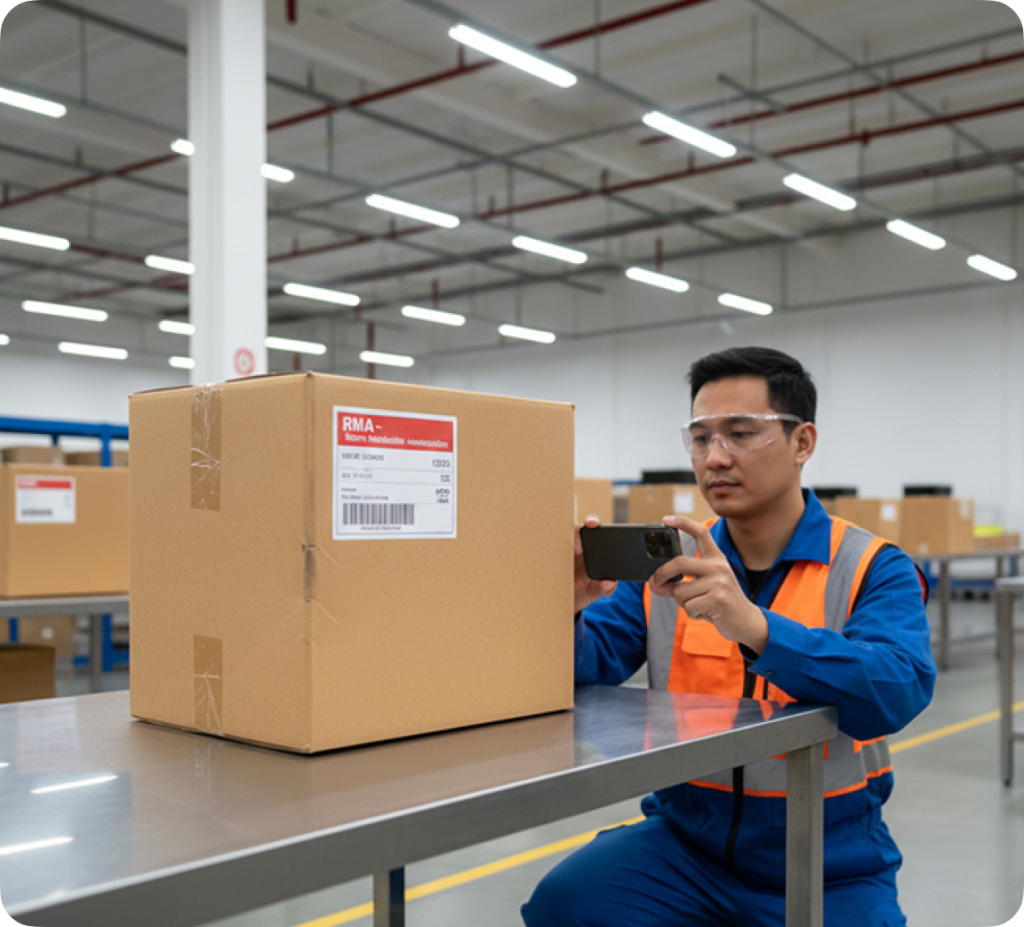
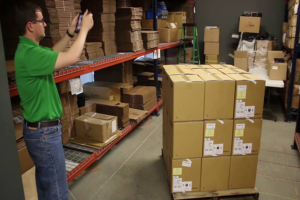
  1. The Pre-Unboxing Record (Focus on the Carrier): As soon as the package is off the truck and scanned into your system, your technician must capture the exterior condition.
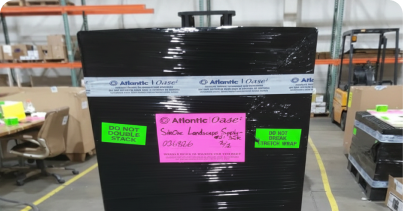
  • The Shots: Take 360-degree photos and a short video of the outer packaging. The focus must be on documenting any dents, crush damage, or punctures.
  • The Link: Capture a clear photo of the shipping label (including the tracking number and RMA identifier) to link the visual evidence directly to the package, the carrier, and the specific claim in your returns management system.
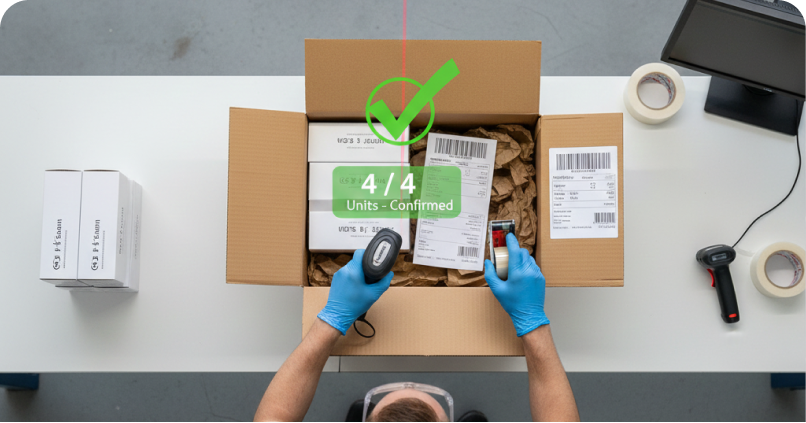
  1. The Internal Audit: (Focus on the Product): Once the package is opened, the focus shifts to the item’s condition and packaging quality.
  • The Packing Audit: Document how the product was cushioned. If a delicate item was loosely packed, the failure may be the customer’s (or the shipper’s) fault, not a manufacturing defect. This is key for warranty claims review.
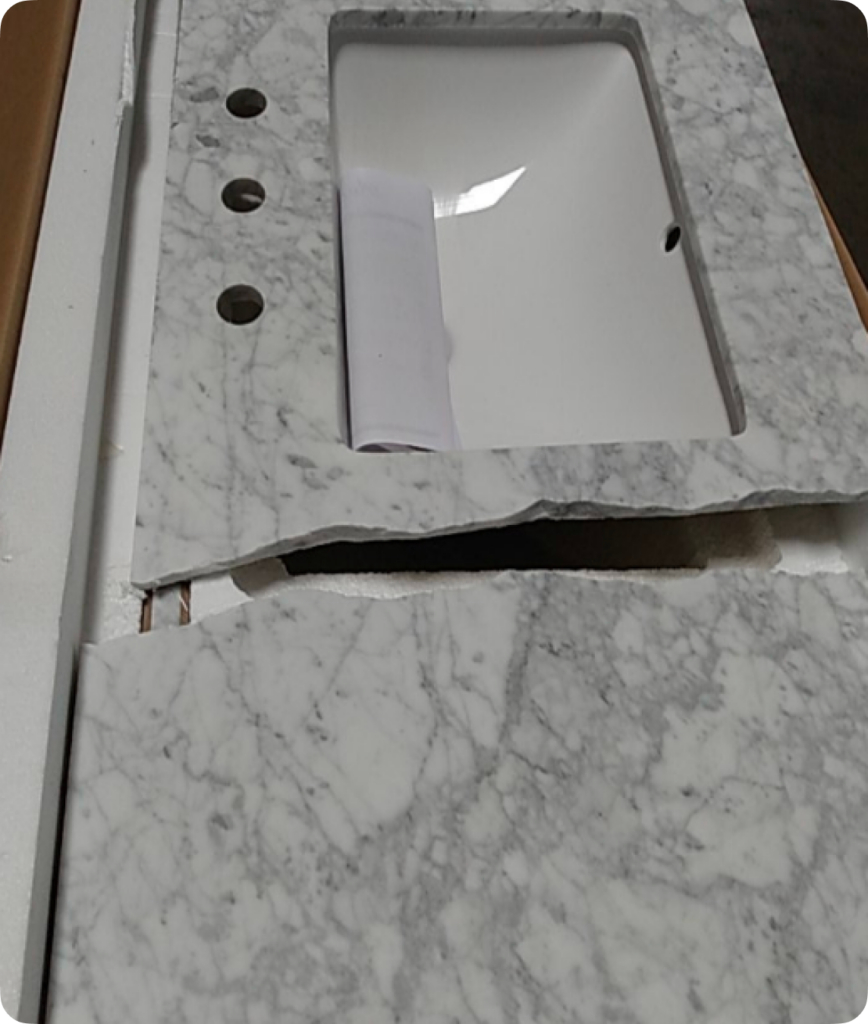
  • The Damage Detail: Capture high-resolution close-ups of all physical damage. Compare this damage against the original reason for the RMA. If they don’t align, you have the proof needed to adjust the repair scope or decline the warranty based on physical abuse.
By adopting this evidence-based approach, you transform your returns facility into a rigorous auditing function. You stop absorbing preventable costs and start managing risk, ensuring every item that enters your reverse logistics stream is documented and accounted for. This isn’t just a best practice; it’s essential financial protection.
Share this Article
Dive Deeper