


Proudly Located at the Advanced Tech Dev Center at Georgia Tech
OUR BLOG
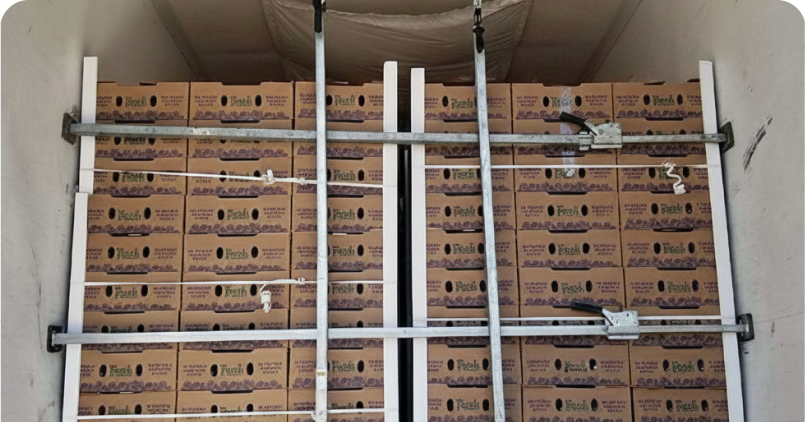
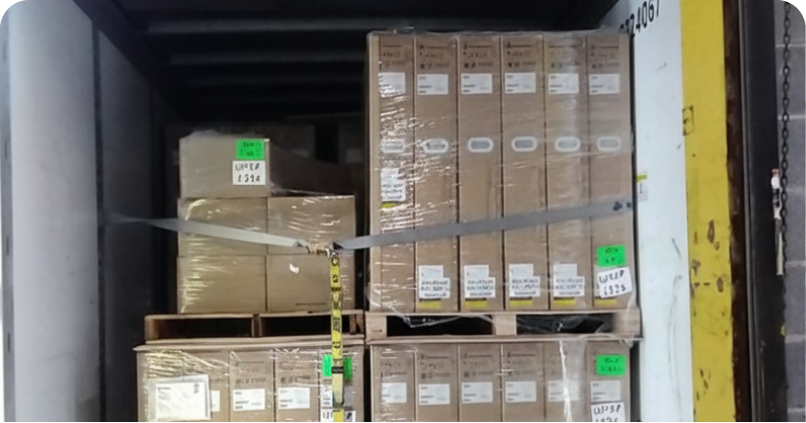
Best Practice –  Use Load Bars to avoid pallets tipping

5 Pallet Securement Techniques to Reduce Freight Damage

Floor-Ready Steps to Unitize Freight and Defeat Lateral Force

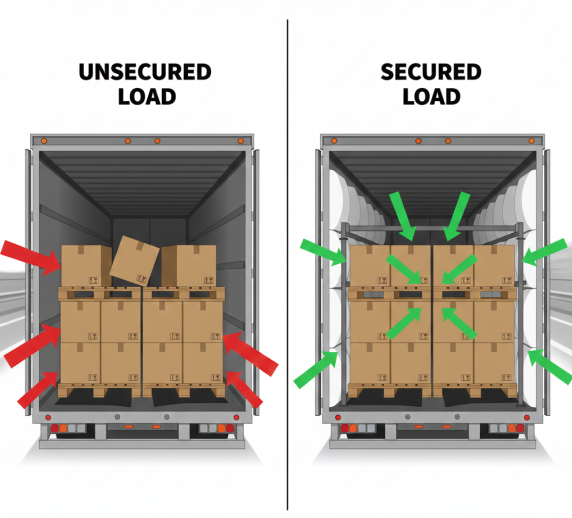
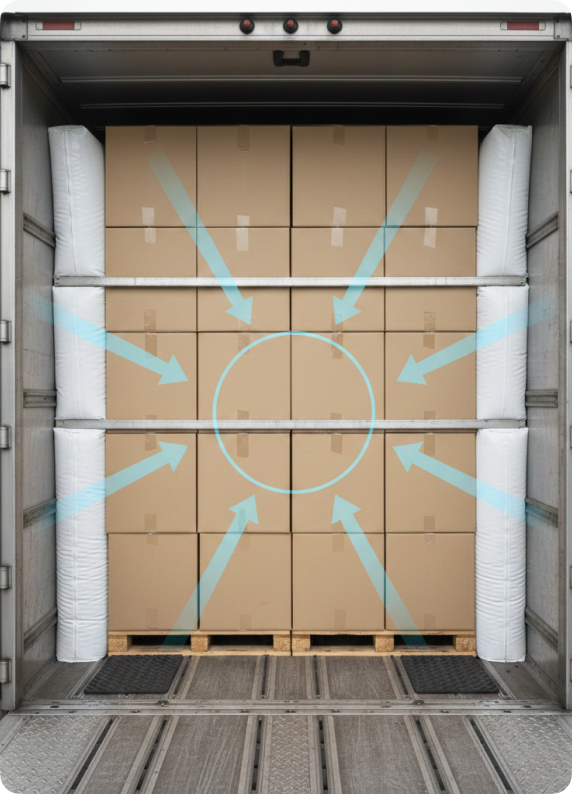
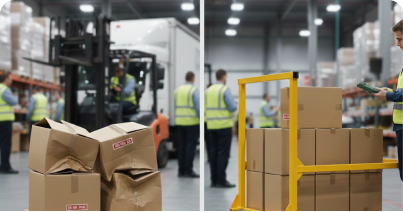
In the world of supply chain logistics, a well-loaded trailer shouldn’t be treated as a collection of individual pallets, but as one single, massive unit of freight. When this unit breaks down—usually due to empty space—that’s when damage occurs.
This failure of load securement is usually exploited by lateral forces: the sharp turns, highway maneuvers, and sudden lane changes that push your cargo side-to-side. Ignoring this lateral movement is a top contributor to shipping damage and high freight claims. Implementing effective pallet securement techniques is the key to successfully reducing freight damage.

The Warehouse-Floor Solution: Strategic Bracing

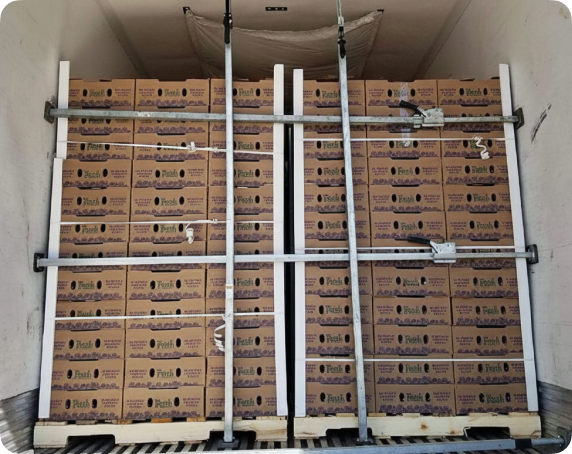
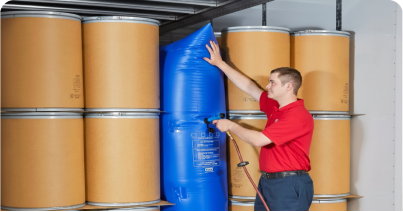
When you need reliable in-transit stability without adding complexity, the solution is often simple, durable, and already sitting in your warehouse supply room: Load Bars (or cargo securement bars).
Think of a load bar not just as a metal stick, but as a critical piece of freight stabilization infrastructure. When used correctly, these adjustable bars turn the trailer itself into a secure framework, preventing movement in the final, most vulnerable section of your LTL or full-truckload shipments.
Below is a clear, floor-ready Warehouse Loading Guide that any warehouse or transportation team can apply immediately.

Loading Best Practices: Step-by-Step Guide

This guide details essential pallet securement techniques to lock your load into place.
Step Action Why It Matters
1. Build a Solid Foundation
A loader cannot stack another pallet without physically removing the cone first. This forces intentional acknowledgment.
The first row sets the foundation for the whole load, and any gaps here only grow as more pallets are added.
2. Apply Lateral Restraint
Install a load bar, load lock, or securement device firmly behind the first row.
Forms a solid barrier that keeps the first row from moving as additional pallets are loaded.
3. Push, Don’t Just Place
When adding the next row, push pallets forward to ensure they make solid contact with the row ahead.
Fills the gaps and keeps the load tight, so pallets don’t move around inside.
4. Reinforce Throughout the Trailer
Add additional load bars every 6–8 feet (or per SOP), and place a final bar behind the last pallet before closing doors.
Controls forward and backward shifting during braking, acceleration, and turns. Prevents cargo from pressing against the doors.
5. Perform a Movement Test
Before sealing, apply firm hand pressure to the last pallet to check for movement.
Ensures load stability. If anything shifts, reposition or add a restraint to prevent tipping or leaning during transit.

The Essential Final Step: Securing the Proof

You’ve dedicated the time and effort to build the perfect unitized load. You’ve successfully fought physics by eliminating the void, strategically bracing the freight, and ensuring maximum in-transit stability. Your cargo is secured.
However, in the world of supply chain logistics, a perfectly secured load is only half the solution. Your work isn’t truly complete until you secure the evidence of that work.
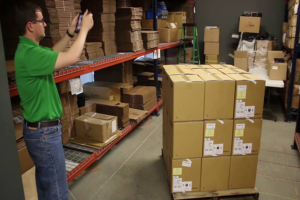
The final, non-negotiable step is photo documentation. This is your immediate and necessary shield against the operational uncertainty that happens once the trailer leaves your sight. It transforms your excellent pallet securement techniques from a simple action into a permanent record, allowing you to quickly and definitively prove compliance when the inevitable claim or dispute arises downstream. This visual record is the ultimate protection for your team and your budget and helps reduce freight damage liabilities.
Master the physical security of your cargo, and make the visual proof of your successful freight stabilization the final click before the doors seal.

Bringing It All Together

A stable trailer is the result of two things: tight, thoughtful loading practices and clear visual proof of how that load left your facility. When these two elements work together, freight damage drops, claims settle faster, and operations gain a level of clarity that spreadsheets and checklists can’t provide.
Simple cargo securement bars and good photo habits go a long way in building safer, more efficient logistics flows. And best of all, they’re practices any warehouse can implement today, following this simple Warehouse Loading Guide.
Share this Article
Dive Deeper