
Proudly Located at the Advanced Tech Dev Center at Georgia Tech
OUR BLOG
Document Temperature from Sensor

Cold Chain Management: Ship/Receive with Sensor Proof

If your business moves or handles temperature-sensitive products, your biggest risk happens between the loading dock and the final customer.
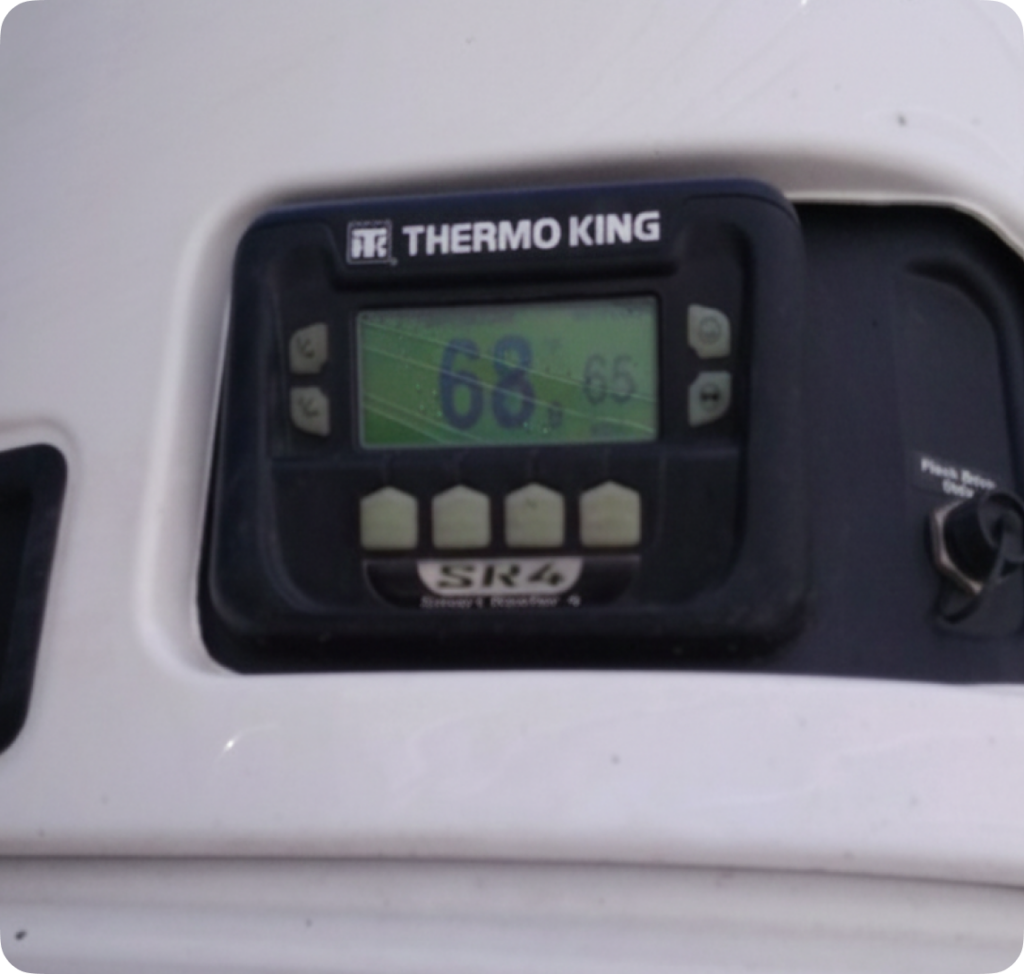
Relying on simple checks (like handwriting a number or just looking at a truck’s display) is not enough. It creates huge financial gaps and offers zero proof of quality.
The foundation of secure cold chain management is one strict rule: You Must Document Temperature Directly from the Sensor at Shipping and at Delivery.
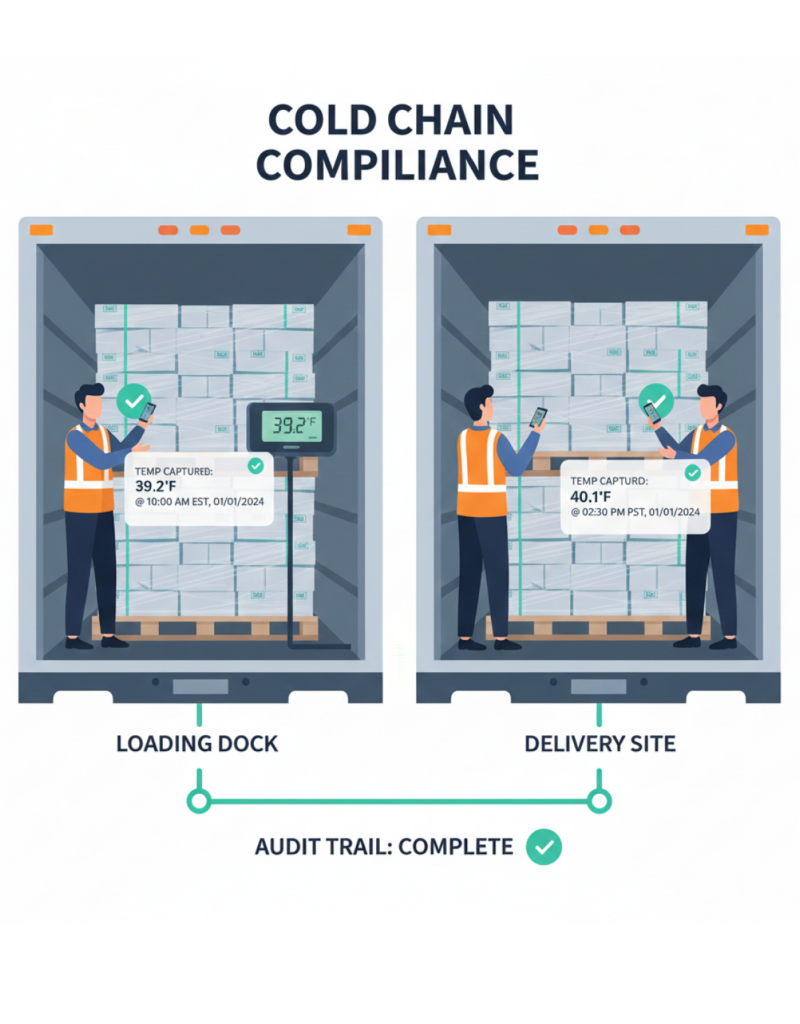
By enforcing sensor documentation at both the start and end points, you create an unarguable digital history that confirms the product’s temperature was perfect throughout the entire journey. Let’s look at why this two-step process is crucial and how it protects your assets.

The Problem: Why Spot Checks Fail the Journey

The moment a product leaves your control (or enters a customer’s control), the risk of blame and financial loss spikes. Spot checks fail because they don’t capture the entire story.
1. You Miss the History (The Spikes)
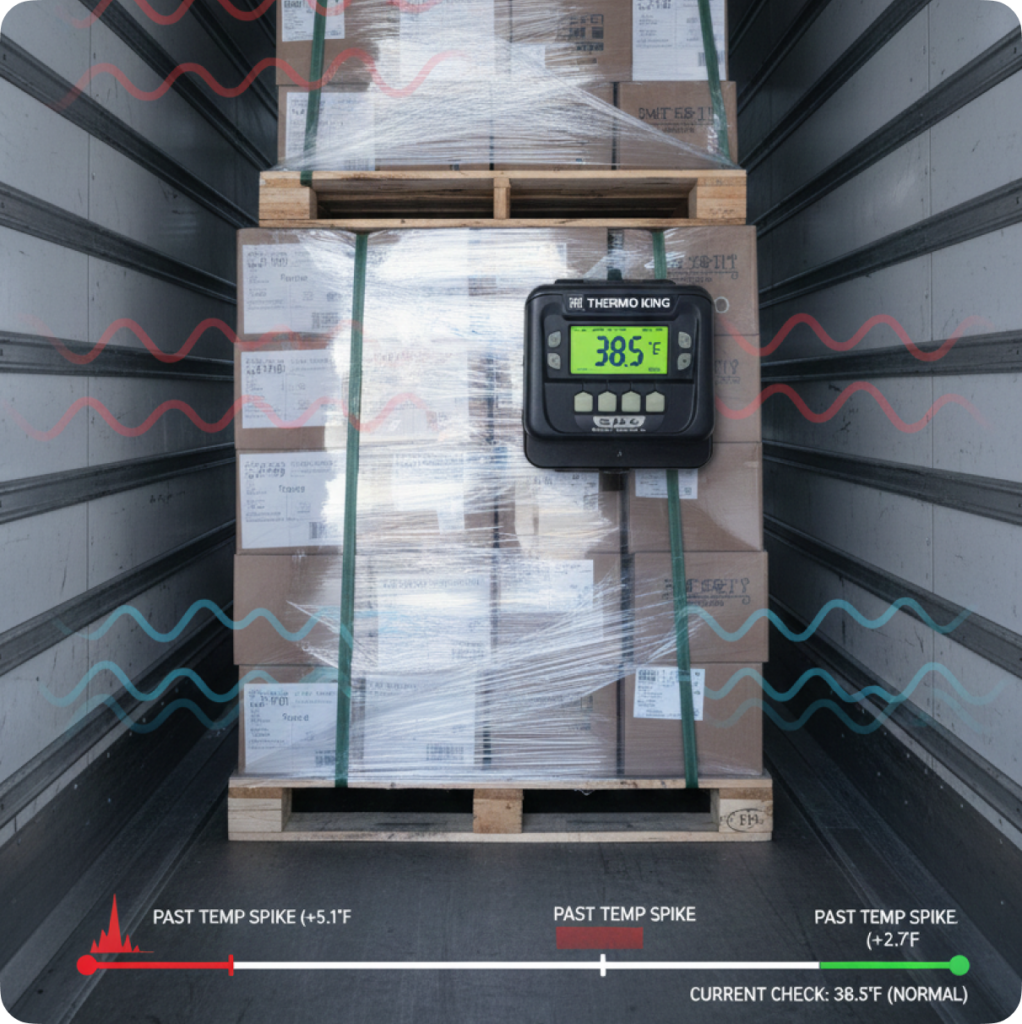
  • A quick check at delivery only shows the temperature right now. It won’t reveal the severe temperature excursion (a spike in heat or cold) that happened mid-way through the trip, which might have ruined the product hours ago.
  • The Result: You cannot prove if the temperature was correctly maintained throughout the journey, undermining your entire cold chain monitoring process.
2. The Accountability Gap
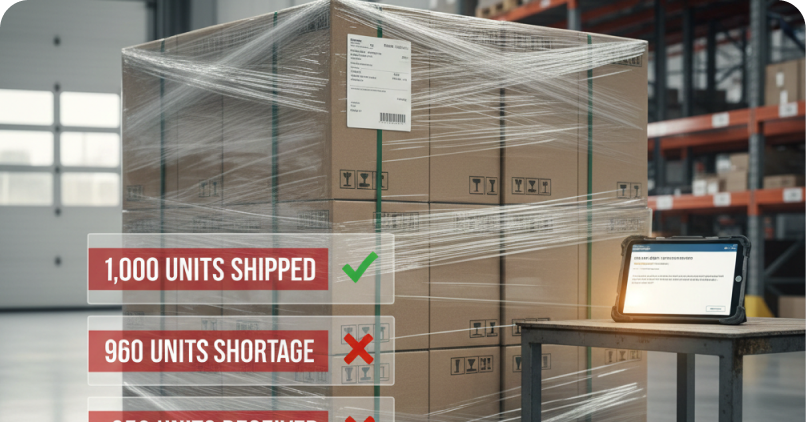
  • Without a documented start temperature, the carrier or warehouse can claim the product was already compromised when they received it. Without a documented end temperature, the receiver can blame the carrier for a late-stage failure.
  • The Result: Disputes over damage are impossible to solve, leading to high administrative costs and wasted product.

The Solution: Two Sensor Checks for Total Control

Your internal temperature data logger is the most honest record keeper. By making its data mandatory at two specific points, you close the accountability loop.
Phase 1: At Shipping (Leaving the Dock
Goal: Prove the product started perfectly.
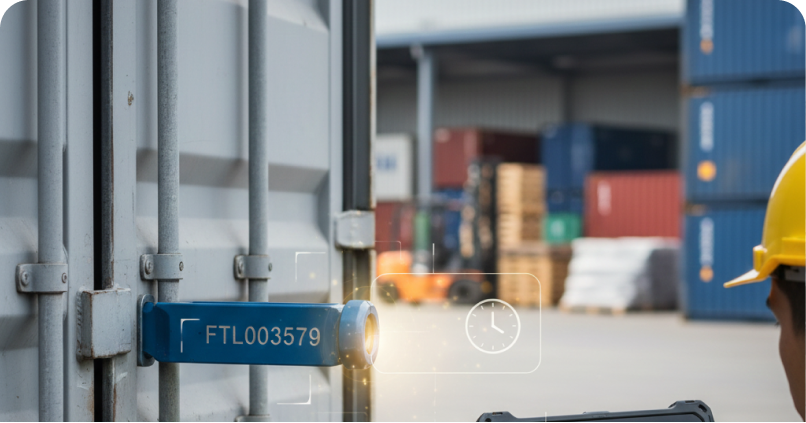
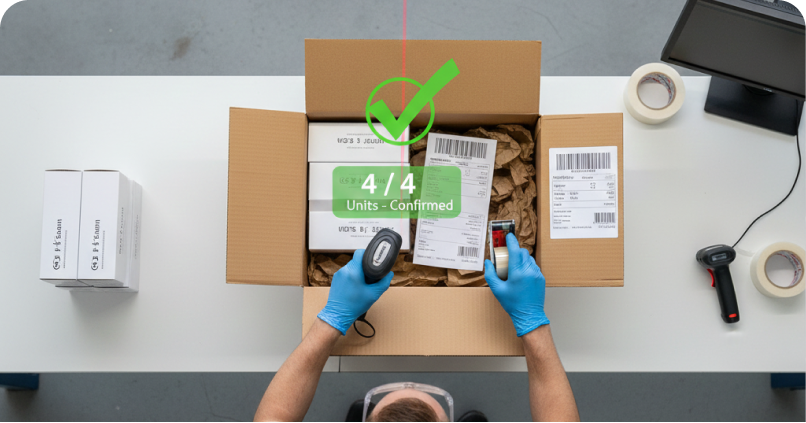
  • Action: When the product is loaded onto the transport vehicle, your team must scan the internal sensor. The system records the time-stamped initial temperature and confirms the logger is working correctly.
  • Benefit: This creates proof that the product left your facility in optimal condition.
Phase 2: At Delivery (Customer Receipt)
Goal: Prove the product finished perfectly.
  • Action: The carrier or receiving worker must scan the same sensor and pull the full temperature history, which verifies there were no temperature excursions en route.
  • Benefit: This proves that the product was maintained correctly throughout the journey, securing your liability and satisfying the customer.

Action Steps for Implementing the System

1. Make the Digital Snapshot Your Rule Your company must enforce a rule: No product leaves the shipper or is accepted by the customer until the sensor data is digitally recorded.
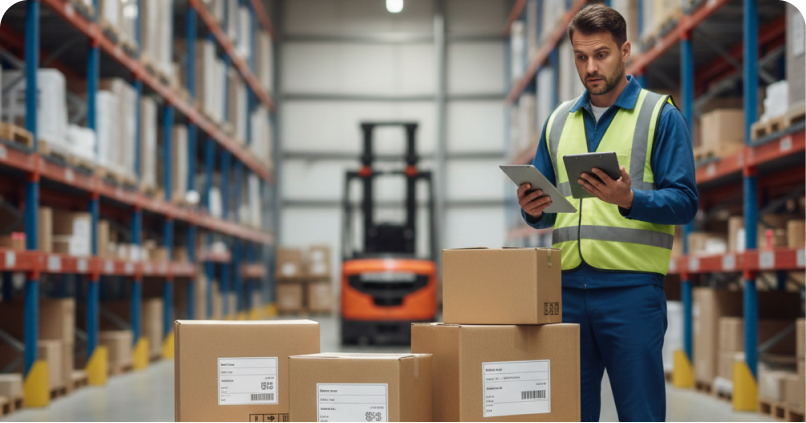
  • In Practice: The worker uses a phone or tablet to scan the code on the sensor. The system instantly pulls up the sensor’s current temperature and the full history of the trip. This digital file is attached to the transfer documents, giving you irrefutable proof of the product’s condition.
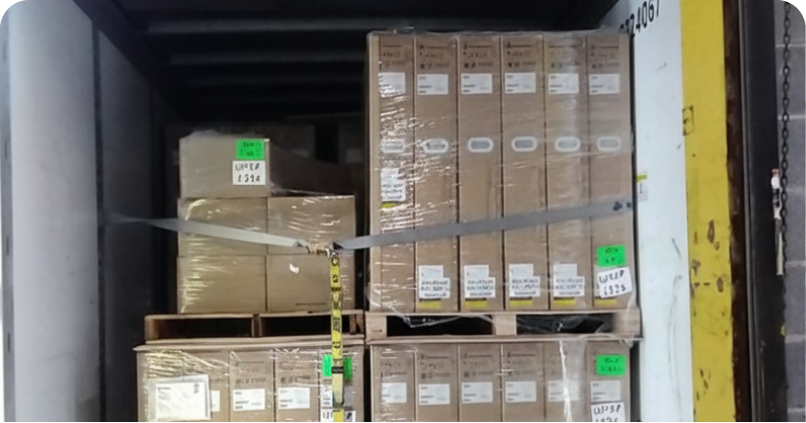
2. The Final Step: Photo Documentation
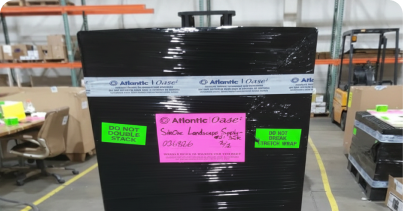
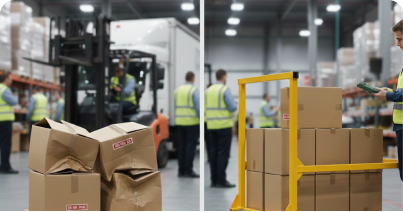
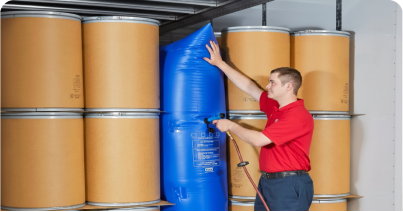
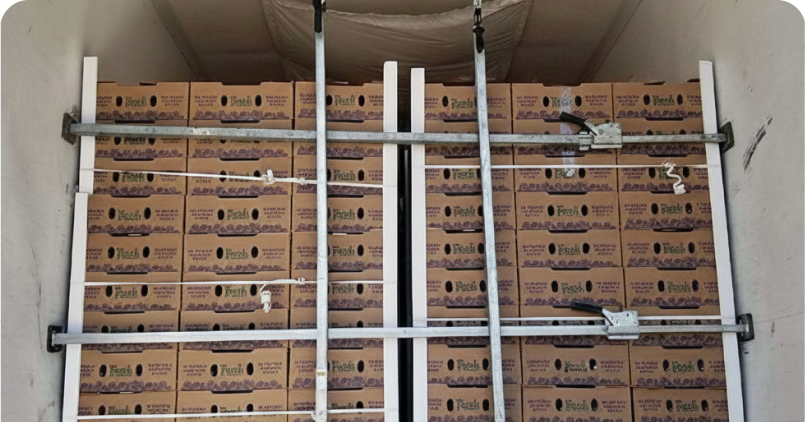
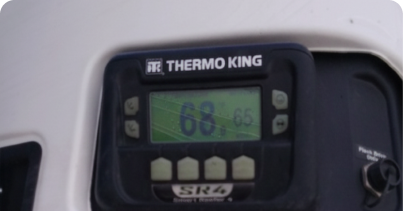
To complete the audit trail, your team needs visual documentation to confirm the digital readings. This photo evidence must be captured at loading and again at delivery:
The Ultimate Payoff for Cold Chain Management Enforcing documentation at both ends, shipping and delivery, is the most effective way to master your cold chain management process.
  • Guaranteed Quality: You eliminate guesswork, ensuring the customer receives a product that was continuously maintained in the correct temperature range.
  • Zero Disputes: You have objective, time-stamped proof for the entire journey, ending arguments over damage claims instantly.
  • Reduced Loss: By validating integrity with the temperature data logger, you prevent the financial loss associated with spoiled or non-compliant goods.
Stop relying on luck. Start demanding data at both ends to secure your cold chain monitoring and protect your business.
Share this Article
Dive Deeper